Photo illustration by The Sprawl. Sources: 1959 newspaper ad; Alejandro Melgar
A new season: Finding the signal in the noise
The value of sustained attention.

I get some truly hilarious emails.
Anyone who does any kind of creative work these days is inundated with them, many obviously written by AI. The upshot of these messages: You're doing good work, but basically no one is reading or listening to it.
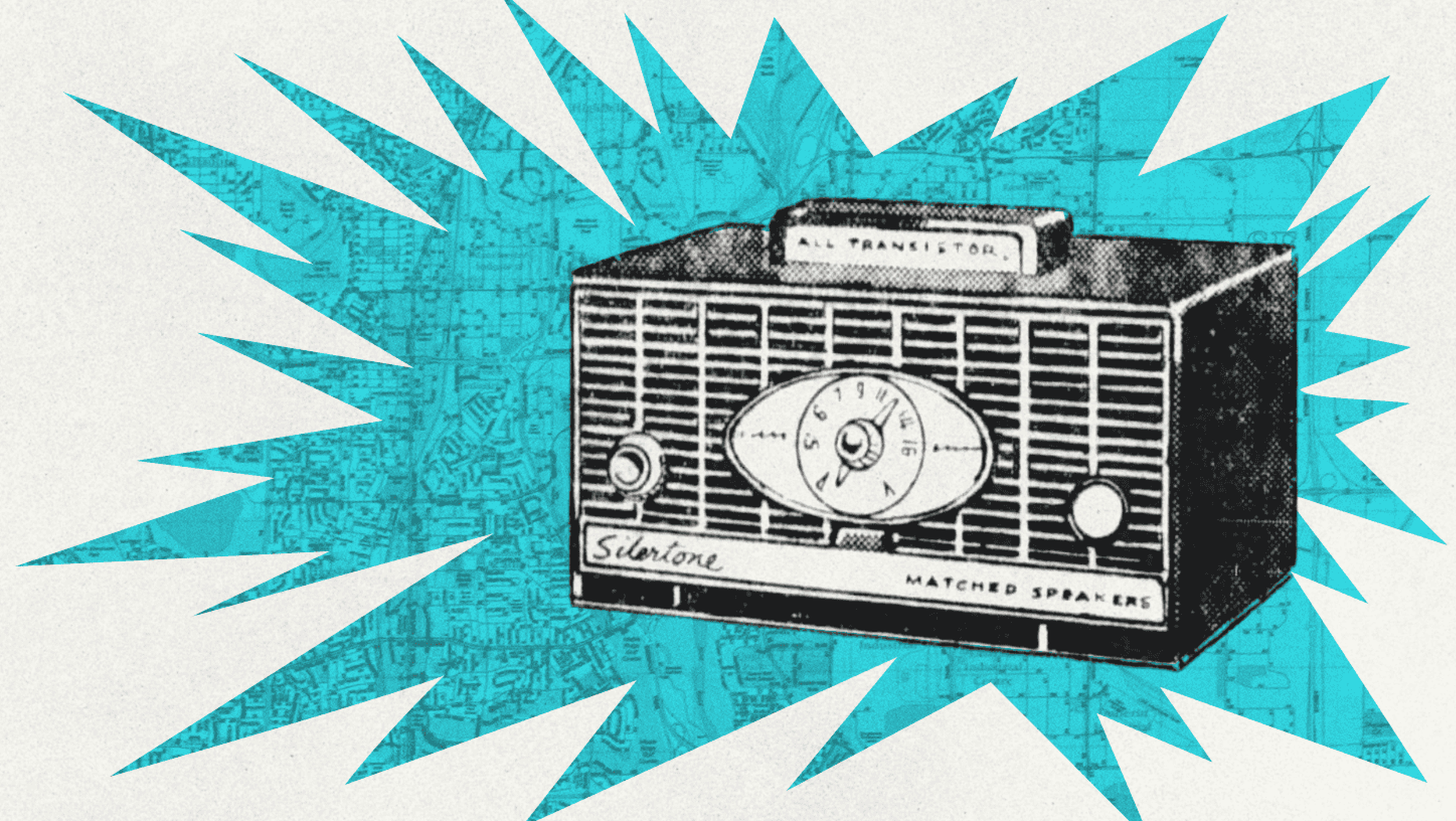
"Sprawlcast has serious potential, but it's going unheard," reads one email I got after the last episode (The Life and Death of Local Radio in Calgary) came out. This was the subject line: "The August 9th Episode Could Do More."
Another email promises to "turn Sprawlcast into Calgary’s morning show."
And so on.
The gist is that, to stay relevant and break through all the online noise, you have to be on innumerable platforms in little scraps of video. Constantly. Otherwise you're old news. (Part of me is tempted to just embrace this and work "old news" into a tagline for The Sprawl, since we do a bunch of historical journalism!)
All of it has me reflecting on the nature of this work as we head into a new fall season.
The Sprawl will be celebrating its ninth anniversary later this month. And the next Sprawlcast episode will be our 100th.
It's slow going. It always has been with The Sprawl. The stories we do require sustained attention—from us, to create the work, and from you, to receive it and hopefully to think about it.
I was struck, reading the Globe & Mail last weekend, by something Caia Hagel wrote about the fresh appeal of books in our time of scattered attention and AI.
"Unlike faster media, the novel refuses to be skimmed or dismissed; it demands sustained attention to contradiction, suffering and ambiguity," wrote Hagel. "In that slow journey, we build empathy."
We are not publishing novels at The Sprawl (although some of our stories could be nonfiction novellas!). But I like that idea of nurturing the "slow journey" as opposed to the fleeting dopamine hit which arrives fast, and is gone just as soon.
The writers and artists I respect most don’t deform themselves to reach the widest possible audience as frequently as possible. They dig deeper and in doing so, are able to speak a resonant word into the times in which they live.
That is what I aspire to.
I like that idea of nurturing the ‘slow journey’ as opposed to the fleeting dopamine hit which arrives fast, and is gone just as soon.
For me, that means digging deep here in Calgary, where I have lived for 24 years now.
All of this is on my mind as we have various Sprawl stories on the go, in different stages of completion. I think of them as pots on the stove, simmering.
They are ready when they are ready.
And—I should mention that while I get lots of garbage AI emails, I also get plenty of encouraging (and human!) letters, too. Like this one that arrived with a cheque earlier this summer.
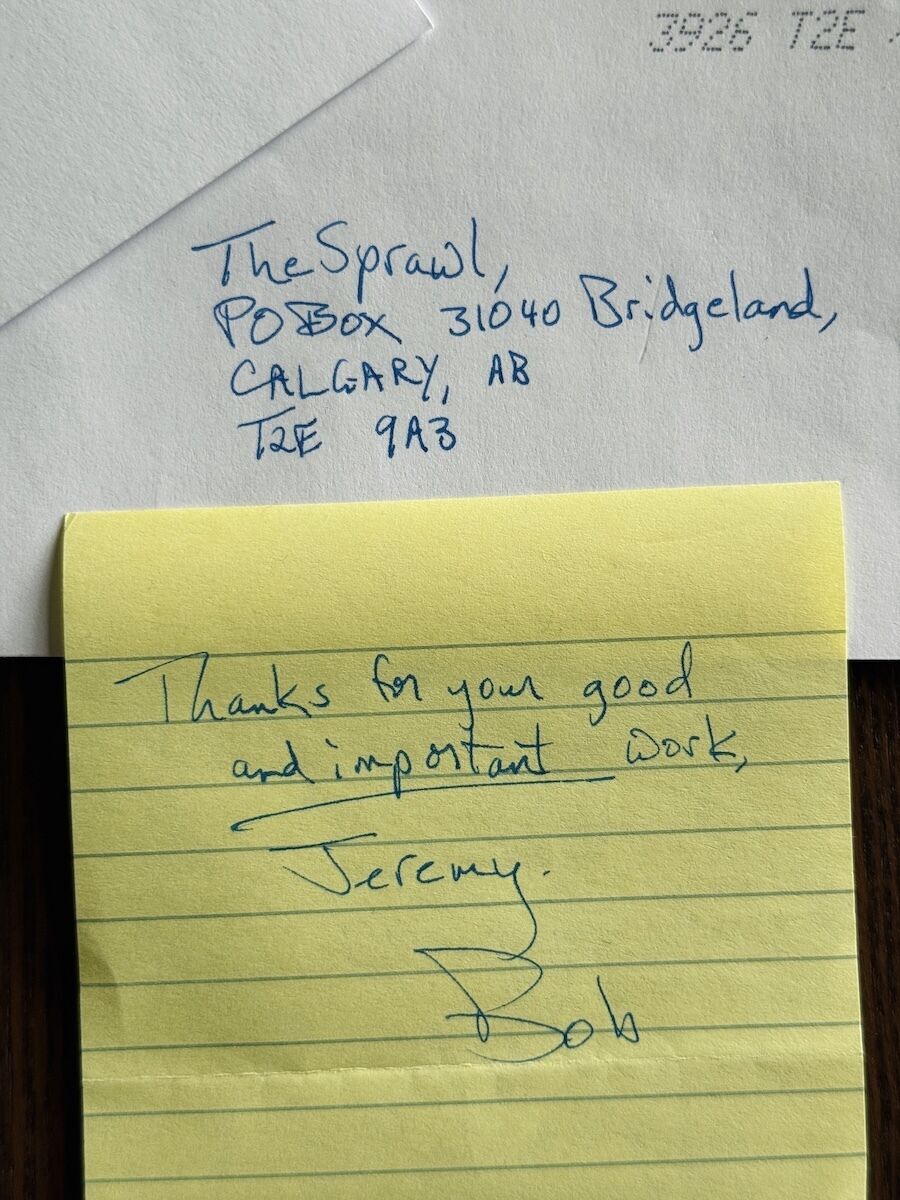
I am truly grateful to everyone who supports our work, especially in these times. Please consider doing the same if you aren't already!
Last week we said goodbye to Jullianah Therese Ejoc, who did her practicum with The Sprawl this summer as she completed SAIT's journalism program.
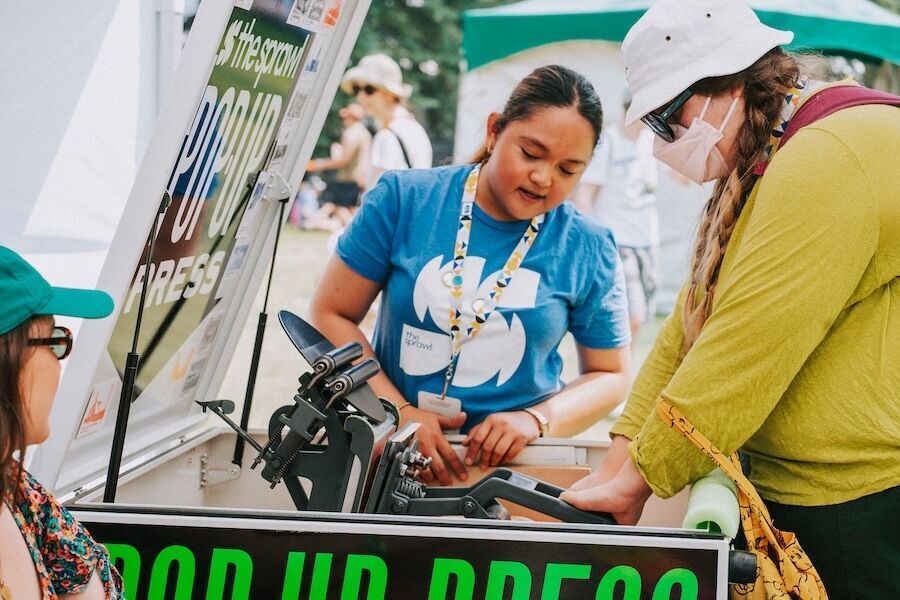
Jullianah was right in there, whether she was running the Pop-Up Press in the community or doing interviews for Sprawlcast.
I love the segment she did in the last episode, where she interviewed former staff from 660 News and 960 The Fan at Cold Garden. Hearing Jullianah's interviews, I felt like I was right there on the patio, listening in—with trains rumbling and dogs barking in the background. The power of radio!
This episode (in addition to being a podcast that you can also read, if you prefer) will air on CJSW 90.9 FM on Monday at 11 a.m. and again at 8 p.m. As it's an episode about the importance of local radio, it feels appropriate to catch this one on the airwaves if you can.
And there is more to come from what Jullianah has been working on this summer, so stay tuned! And don't forget to support our work if you value it.
Jeremy Klaszus is founder and editor of The Sprawl.