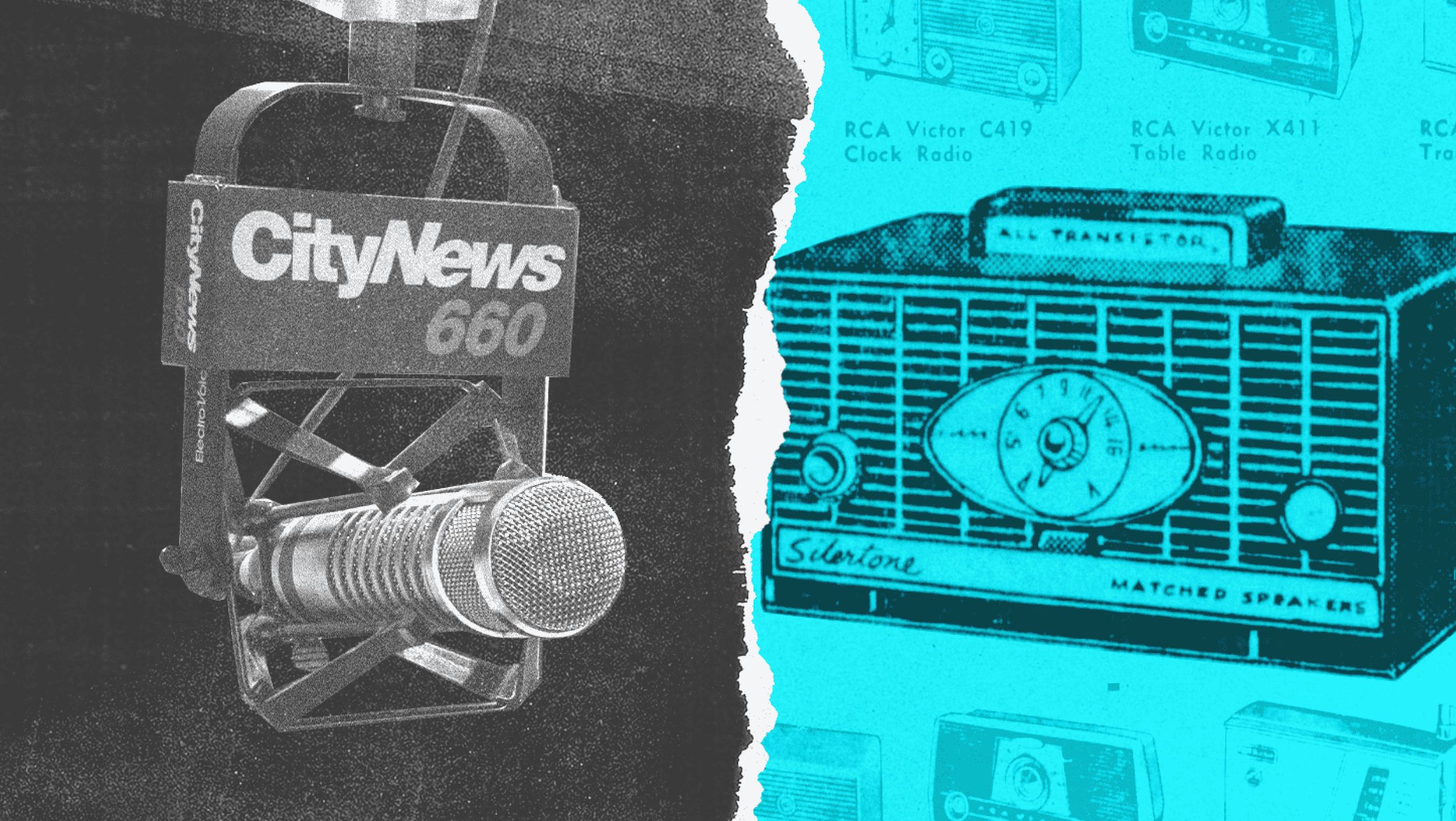
Photo illustration by The Sprawl. Sources: Alejandro Melgar; 1959 newspaper ad
The life and death of local radio in Calgary
What happens after stations go silent?


Sprawlcast is Calgary’s in-depth municipal podcast. Made in collaboration with CJSW 90.9 FM, it’s a show for curious Calgarians who want a deeper understanding of the city they call home.
A lightly-edited transcript of this episode is below, for those who would rather read than listen. You can hear this episode wherever you listen to podcasts. Make sure to subscribe so you get new episodes as soon as they drop!
If you value independent Calgary journalism, support our work so we can do more stories like this one!
JACQUELINE DONOGHUE: We were used to the printed matter—the invention of the printing press. We were used to movies. Well, radio wasn't like that.
SANDRA PRUSINA: Radio was always there. You plug in a couple of batteries, or you plug it into the wall, and you had radio.
LAURA KNOP-WRIGHT: Where do you turn when there's a massive flood like 2013? Where do you turn? You turn to the radio.
JEREMY KLASZUS (SPRAWLCAST HOST): It was done suddenly and without dignity.
JESSE MODZ (CJAY 92): It was a sad day for local radio in Calgary yesterday.
TARA NELSON (CTV NEWS): Two Calgary radio stations have been shut down by Rogers Media. 660 News and Sportsnet 960 went off the air today, leading to job cuts. What were favourites for many Calgarians in their car or on their way home have become fresh casualties of an ever-evolving media landscape.
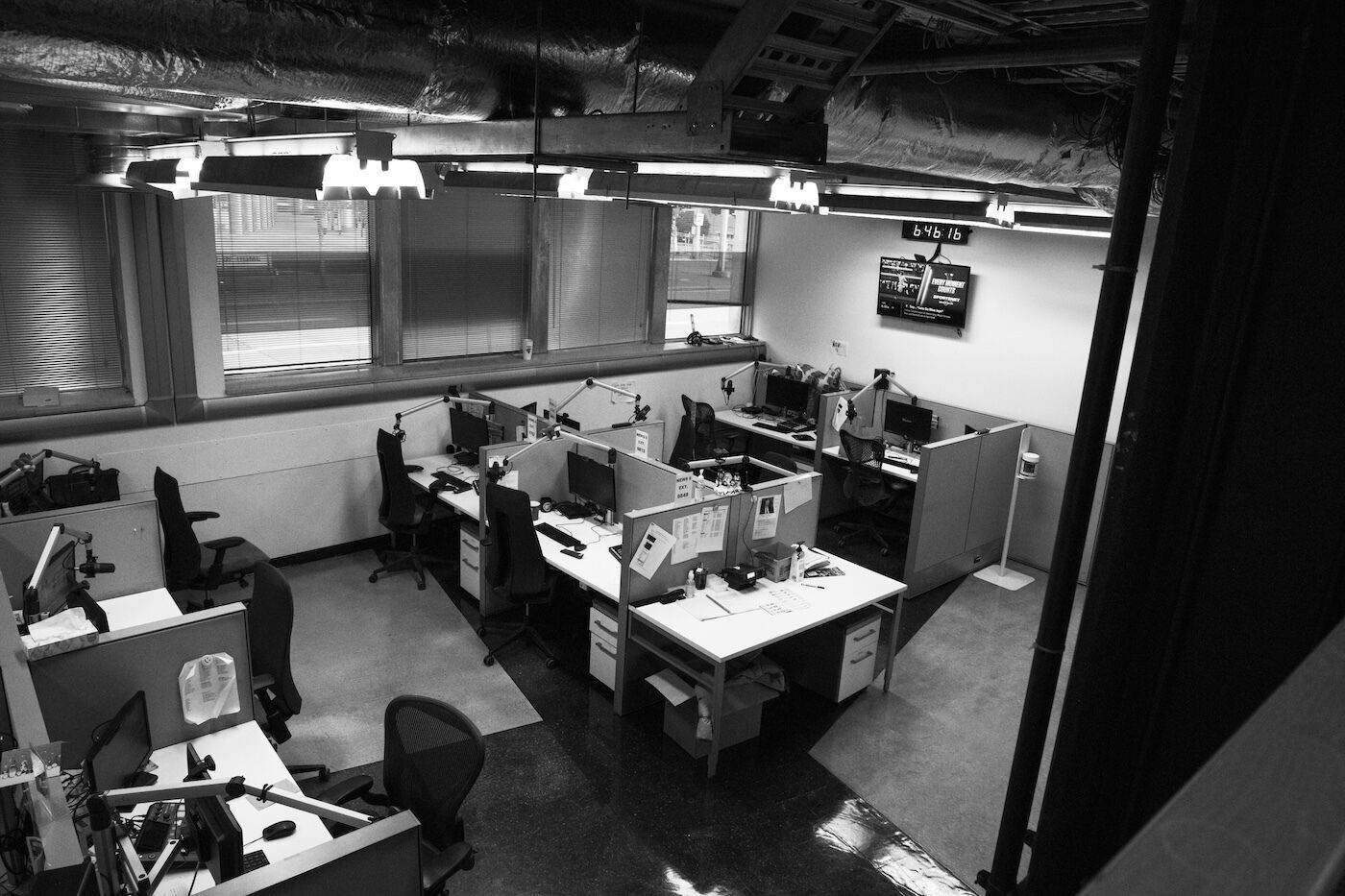
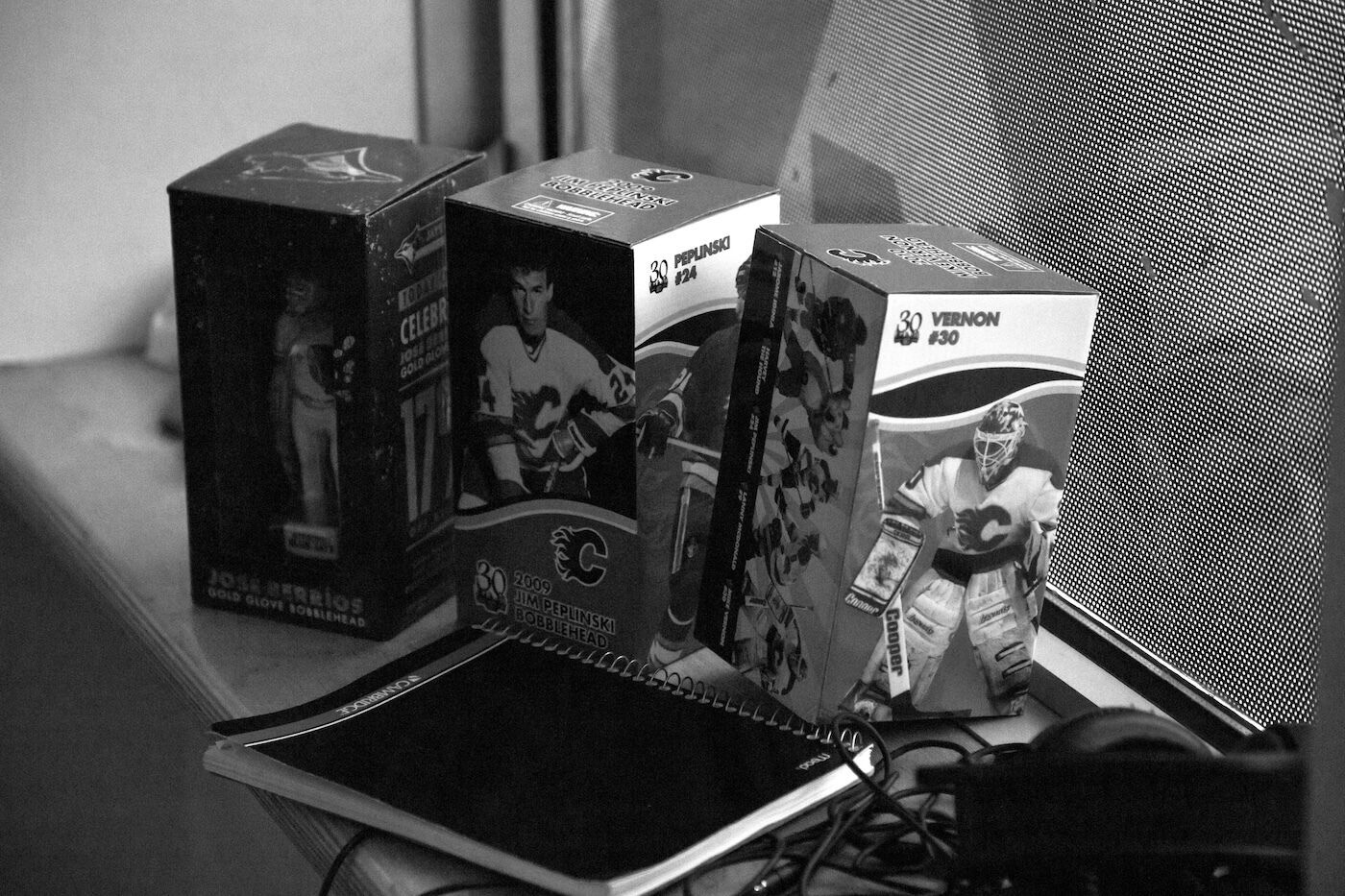
KARINA ZAPATA (CBC NEWS): And it means the Calgary Flames no longer have a radio broadcaster.
LOOPED MESSAGE ON AM 960: Today is the last day Sportsnet 960 The Fan will be on the air. We are proud to have served Calgary sports fans. Thank you to everyone who contributed to the station over the years, especially our listeners.
BANEET BRAICH (CBC NEWS): Rogers is saying that it's to do with the decline in audience and revenue trends over time.
MODZ: Go to the dial, try to listen to those two radio stations. It's nothing but static. I don't think you realize how valuable local radio is until it's gone.
KLASZUS: The local news landscape was already gutted before this. A few years ago I did a Sprawlcast episode on The Hollowing of the Calgary Herald. And I asked a bunch of the newspaper’s former staffers what we’ve lost with the decline of local newsrooms. Here’s what former Herald reporter Robert Bragg said to me back then.
ROBERT BRAGG: I think we’ve lost a public sphere, basically. We’ve lost a consensus approach to what’s real and what’s not—what’s important and what’s not.
KLASZUS: When I heard about these radio stations closing, it got me thinking about what local radio means to a city and what these stations have meant to generations of Calgarians.
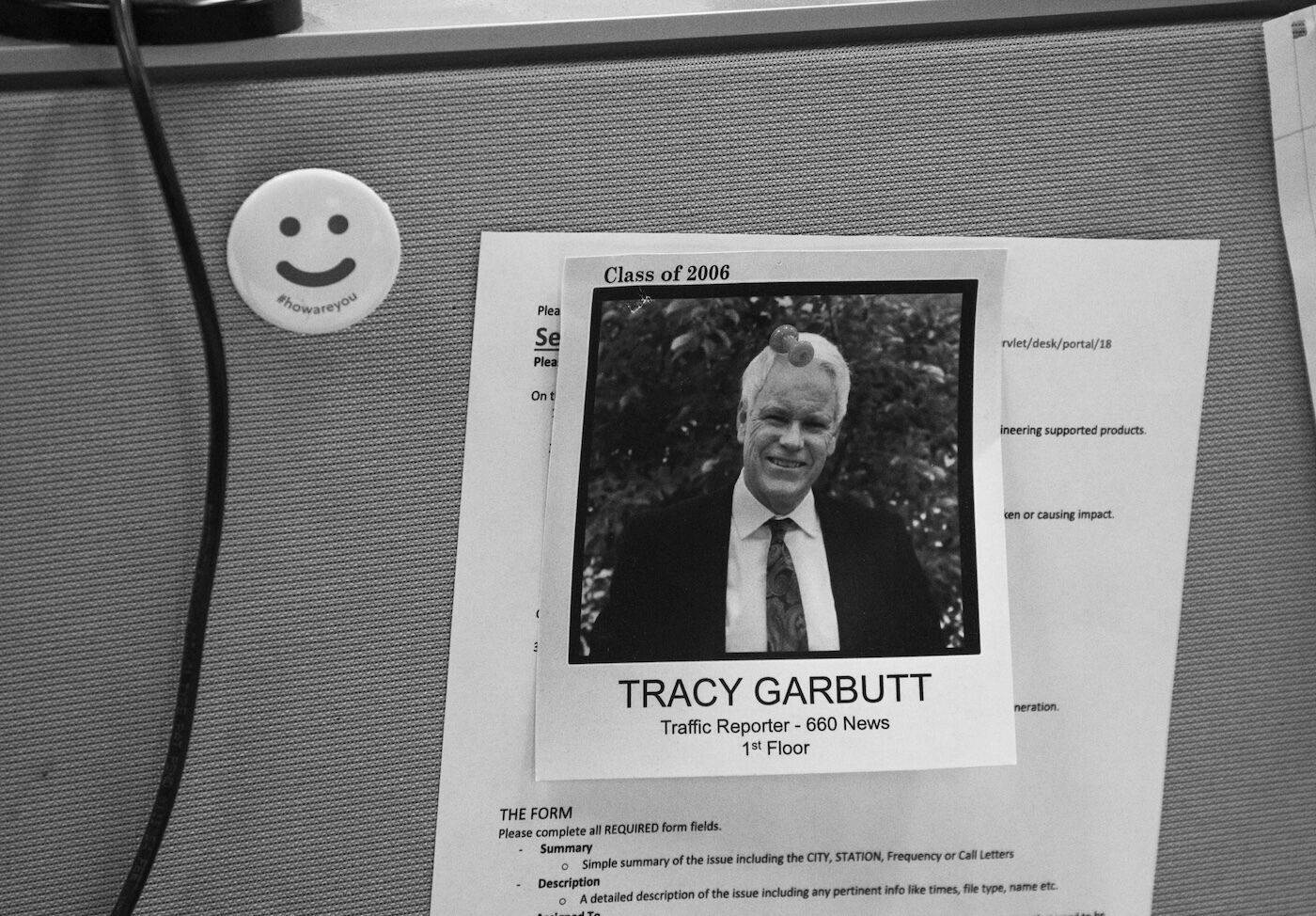
660 PROMO FROM 2006: We've built a radio station especially for you. One that you can count on throughout your day to tell you everything you need to know, with the latest news from around the city and important stories from around the world. This is a radio station that will help you get to work in the morning and tell you how to dress the kids for the day—with traffic and weather updates every 10 minutes. Welcome to Calgary's all-news radio: 660 News.
CHRISTINA ROWSELL (660 NEWS): We finally have a fog-free morning for your commute, and do watch for construction crews. They're still working at Stoney Trail and 16th Avenue Northwest...
KLASZUS: That was from 2006, when 660 flipped from being an oldies station and started doing news.
ROWSELL: It started with one station in Toronto and now the news has spread west. Rogers Broadcasting launching one more all-news radio station this morning, right here in Calgary...
KLASZUS: The first iPhone came out the following year, in 2007. And as we now know, the smartphone would change everything.
Even so, radio still plays an important role in the life of the city. When you got a traffic report on 660 or a dissection of the Flames on 960 right after a game, you knew that these were local voices on the other end of the radio. And that made the city more connected. These voices gave you a better feel for Calgary.
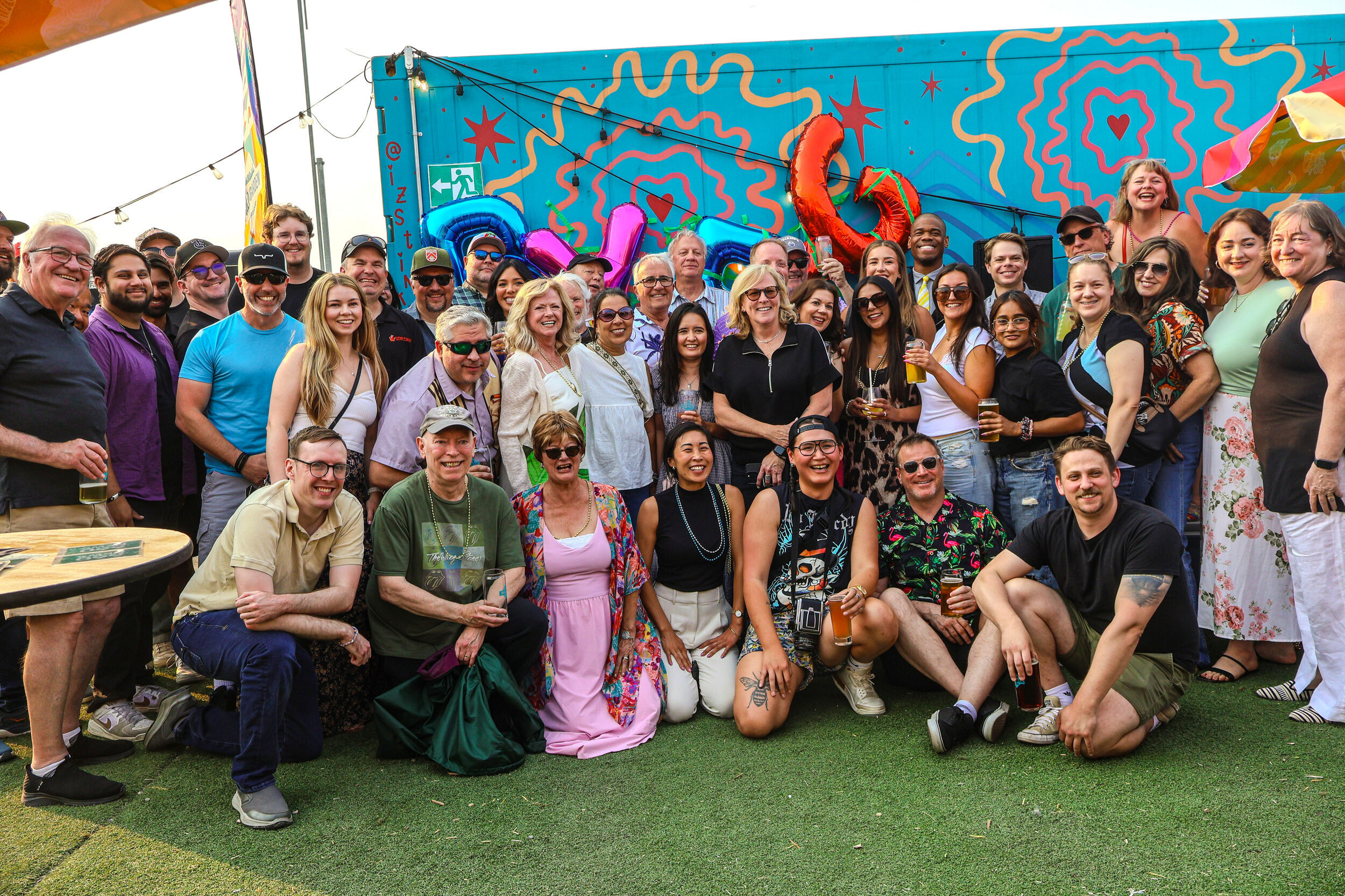
On July 31, former staff from 660 and 960 gathered at Cold Garden for a farewell party for the two stations. Jullianah Therese Ejoc was there for The Sprawl, and she talked to former station staffers about what this means for the city.
A relentless focus on Calgary: ‘Local was first’
LAURA KNOP-WRIGHT: I teach and do curriculum development at SAIT after a 35-year career in Calgary radio.
I started back in '81, worked at the original 960 when it was still CFAC... And then 20 years ago I went to 660 when it was changing over from CFR to news talk and gave a hand in launching that.
JULLIANAH THERESE EJOC: And what do you think these radio stations mean to Calgarians?
KNOP-WRIGHT: I am very, very sad to see the death of local radio. When we grew up, radio was a huge part of the community. And it can still be. Somewhere along the way, that role has dropped off. Not only being central to the community and going out and meeting people, doing fundraising, all those sorts of things.
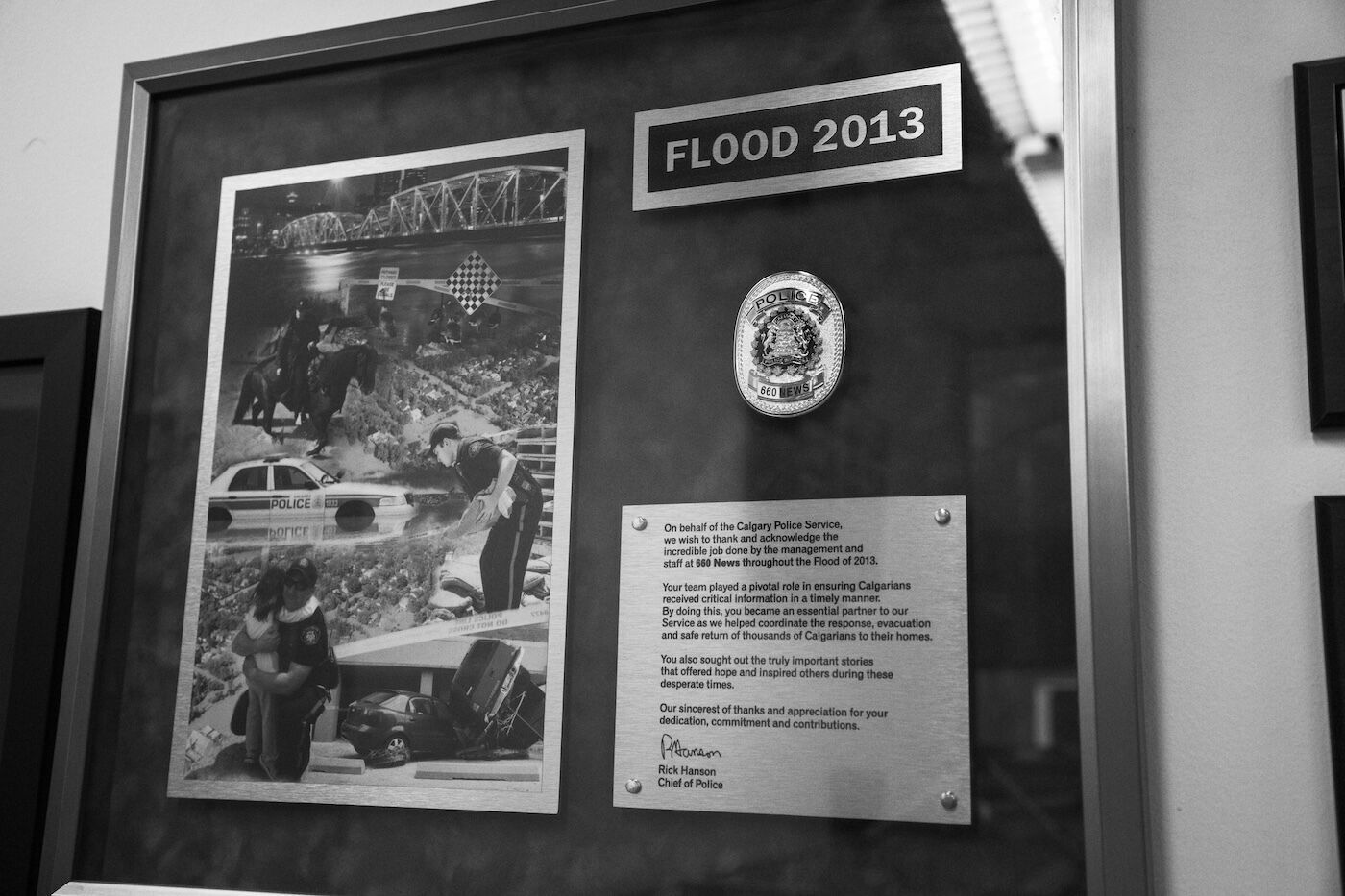
But where do you turn when there's a massive flood like 2013? Where do you turn? You turn to the radio. Where do you turn when there's massive fires like Fort McMurray? You turn to the radio. Where do you turn when you need to find out what Deerfoot Trail is like at 4 o'clock in the afternoon? You turn to the radio.
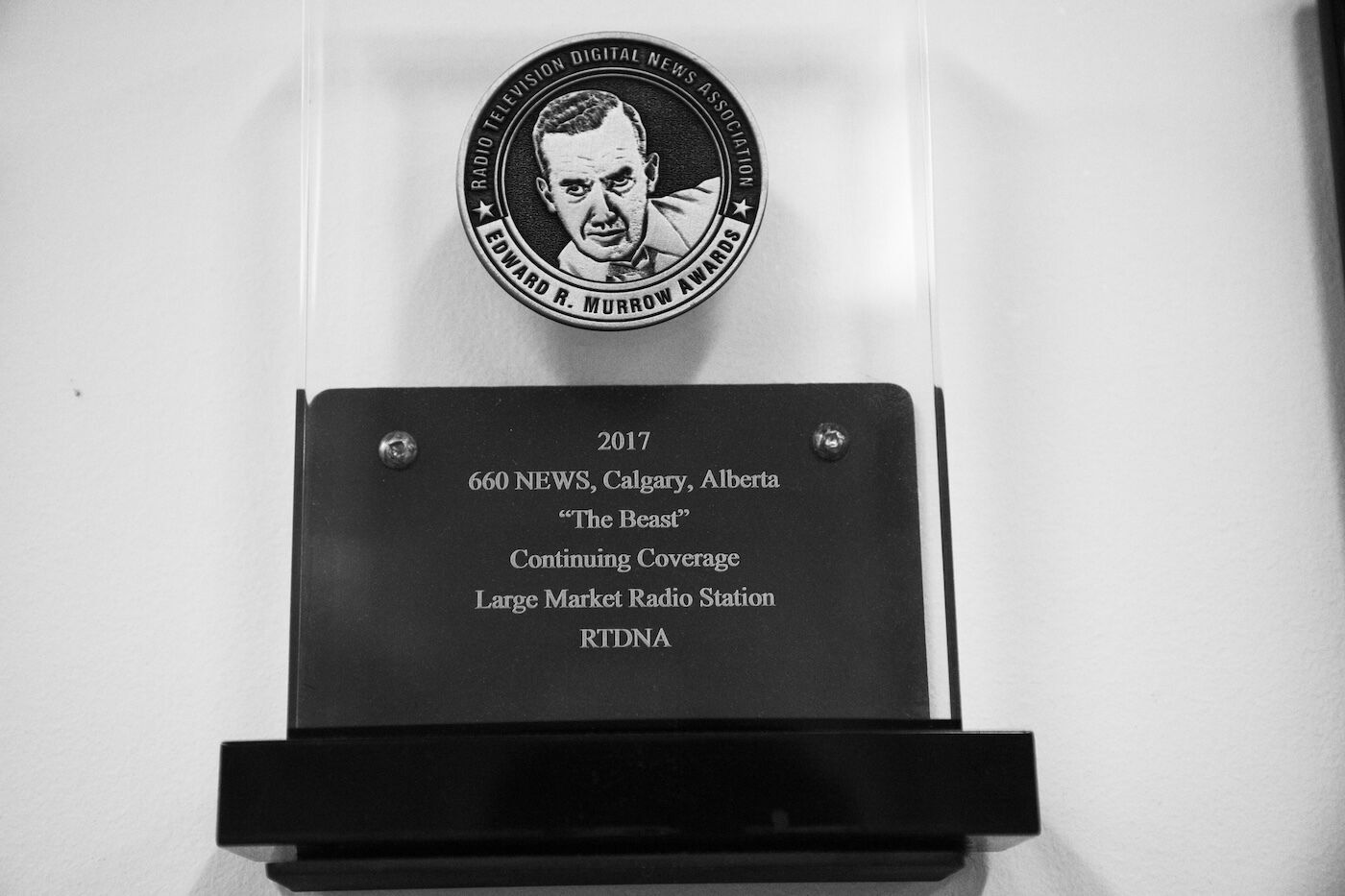
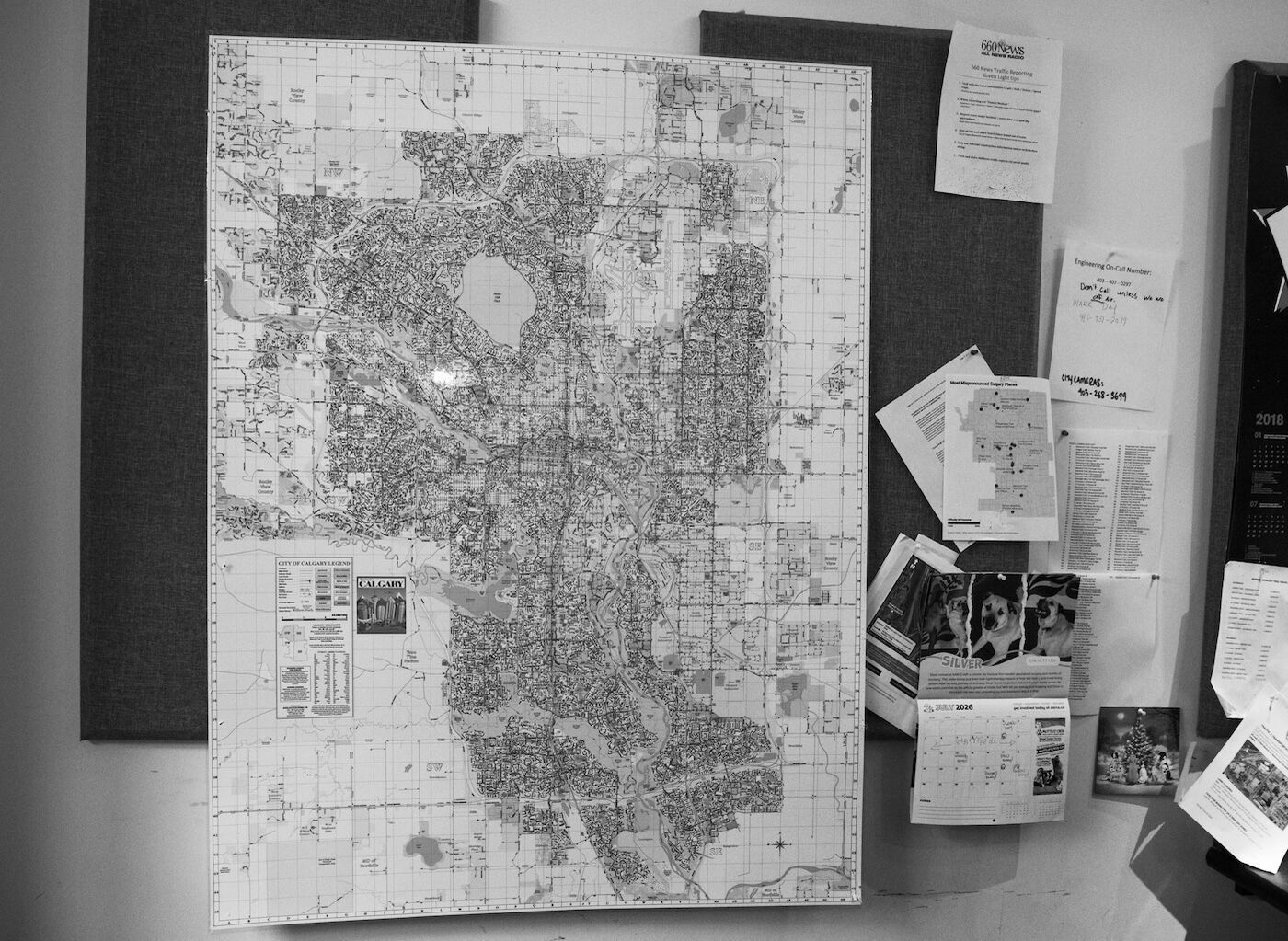
TODD KAUFMAN: My name is Todd Kaufman, and I'm the former midday anchor and assignment editor. I was the last one on the air at 660. We went up to our meeting, not thinking that it had anything to do with layoffs, and turns out it did. And they turned it off—and that was it. So I was off the air right away.
EJOC: What do you think the city loses when these stations close or shut down?
KAUFMAN: They lose that local connection. Unfortunately, a lot of these are big companies, and they're very national-focused. And we were always local. Local was first, and what do Calgarians need to know? What's their priorities?
KNOP-WRIGHT: It's pretty easy with the internet. I can go on and find out what's happening in Ottawa or the United States or anywhere. But what's happening at city hall today?
One of the things that really disturbs me is when you lose reporters reporting on local government, you lose accountability. It's very easy for people who are in charge to get away with things. Because what reporters do is they go out and they ask the questions. And they keep poking and poking and poking until they get answers. So you lose that workforce.
You lose journalists who are naturally curious, who want to find out, who want to hold power to account. And now we've lost a major outlet that was doing exactly that.
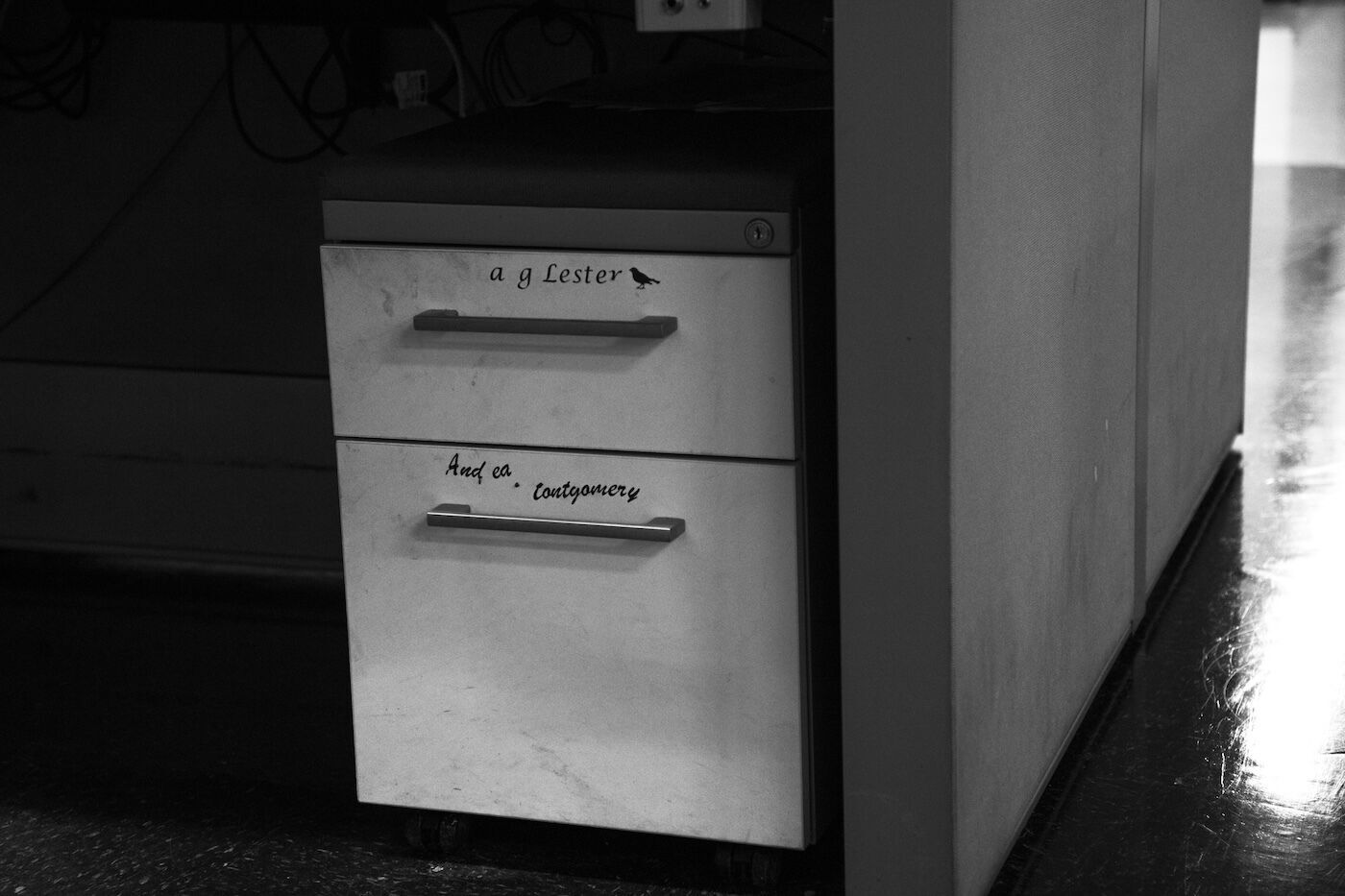
ANDREA MONTGOMERY: I am Andrea Montgomery. I was the assistant news director, and then for most of the past seven years I was with Rogers, I was the morning show co-anchor.
I was the voice in the morning that helped people get to work. Going through the news wheel, watching the news of Calgary, and finding out what people need to know to get through their day.
EJOC: And what role did this play in your life?
MONTGOMERY: Oh gosh. It's a sense of identity, but it's also a large sense of responsibility when you get to be that voice that people know as they're driving in. It becomes a part of their routine and also my routine to get up and know those things and drill the stories of the day and kind of find the pulse of Calgary.
Everyone's getting their news sources from different places, and our job was to collect all those pieces and give them to you very quickly. So we have less of that. There are still some other news sources that provide that, but just not the way that our news wheel format did. And that's the super sad part about this. It's the loss of the format.
There was something so beautiful and unique about the style of reporting we did. Just sticking to the facts, sharing that information quickly, and being the voice when someone didn't know what was going on, they could turn the radio on in the car—and we were there.
When someone didn’t know what was going on, they could turn the radio on in the car — and we were there.
EJOC: And how do you see local journalism in 5 or 10 years from now?
MONTGOMERY: You tell me—you're still working! [Laughs] Just kidding. Kidding not kidding. I mean, we're in a point of transition where people are relying on different streams of journalism. We've seen a lot of enterprising journalism companies come up—The Sprawl, LiveWire—that depend on the public buying into them, and I think that is amazing. But what we're gaining in other platforms, we are losing in something that everyone has access to, which is their radio.
MARK STRASHOK: I'm the afternoon news anchor at 660 NewsRadio Calgary for more than 20 years.
Local radio is such a big part of being in the community—telling people what's going on whether it's fires or news or funny stories, fundraisers… just being able to find out what's going on down at city hall. Or let's say we're at Cold Garden here. Maybe they had a local fundraiser. We would run a story on that.
They lose a part of easily accessible information that's free of charge. There's no paywall. You just turn on your radio and you can get it free. Sports information, weather information is especially key and vital, especially this summer where we've seen lots of bad thunderstorms, lots of tornadoes across the province. That's what we're losing.
There's different ways of getting that information now. Radio's one way. Digital and other places are other ways.
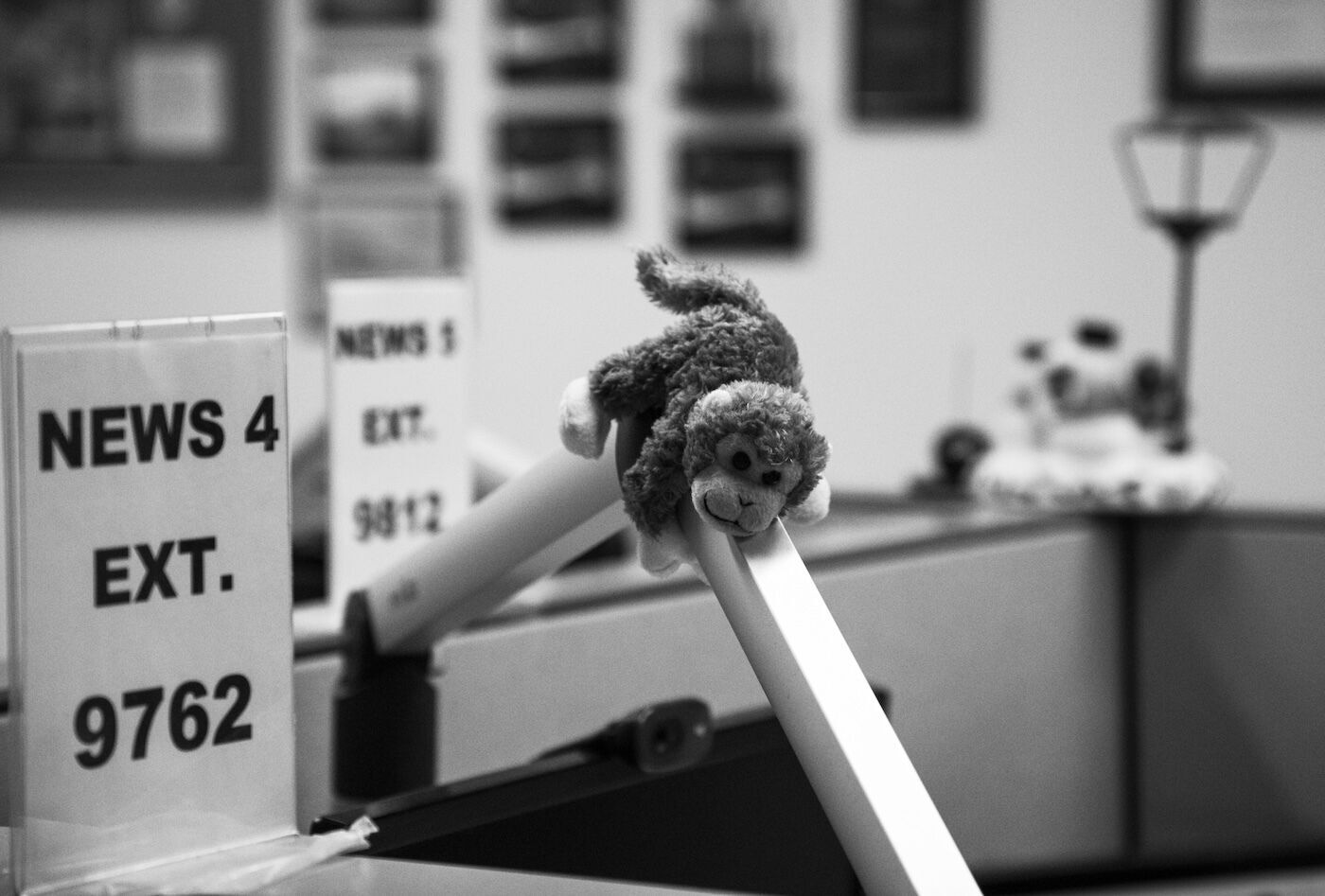
ALEJANDRO MELGAR: We go out there, we talk to people, we listen to their concerns. And we do our best to try to translate that into stories and try to figure out what's happening for them.
My name is Alejandro Melgar and currently I am a graduate student at the University of Calgary. I was the web editor, and I was also a reporter. But mostly I edited the website.
Community is something shaped by the people—and shaped by us. It's shaped by various individuals that try to make it as good as they can. And sometimes part of local news is highlighting those individuals and recognizing them. And letting people know that hey, there's community. There's people that you can link up with and get to know and be a part of.
And as more outlets get shut, as more local news gets cut, it just reduces that opportunity for others to maybe connect with their own community.
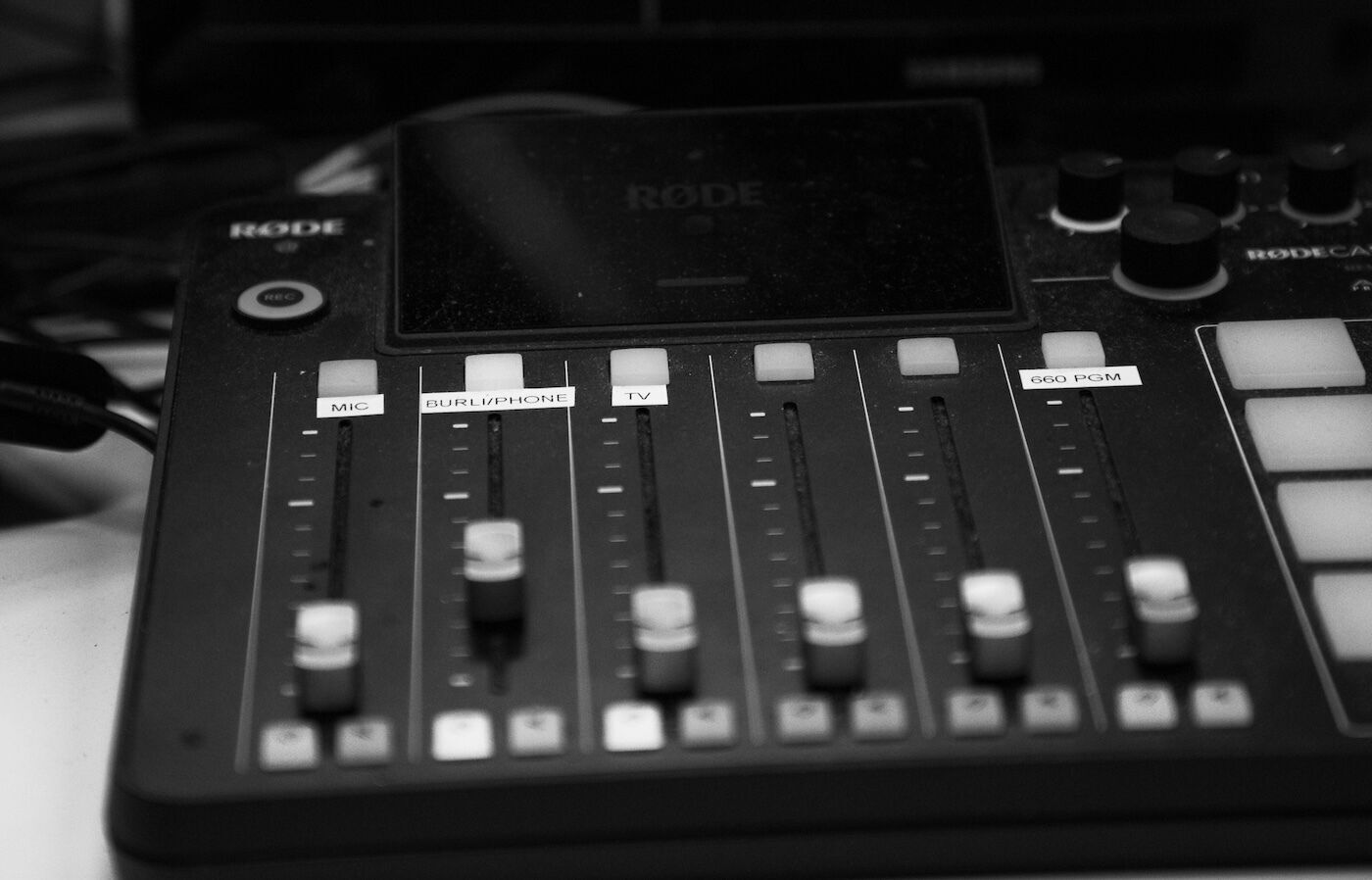
SANDRA PRUSINA: I'm a sports journalist. 960 played a huge role in Calgary, being able to bring information on sports to a city of a 1.3, 1.4 million people, right? And being there to tell you all the biggest stories—but bringing you the game 82 times a year plus playoffs.
It was just such a way of being able to be connected with the community. To get to know more about the players, to know more about the team, the coaches, the storytelling that comes into sports.
I think from every walk of life you can find a connection within sport. When your team is doing well, you're happy. When they're going through some rough times, you're commiserating—but you're commiserating together.
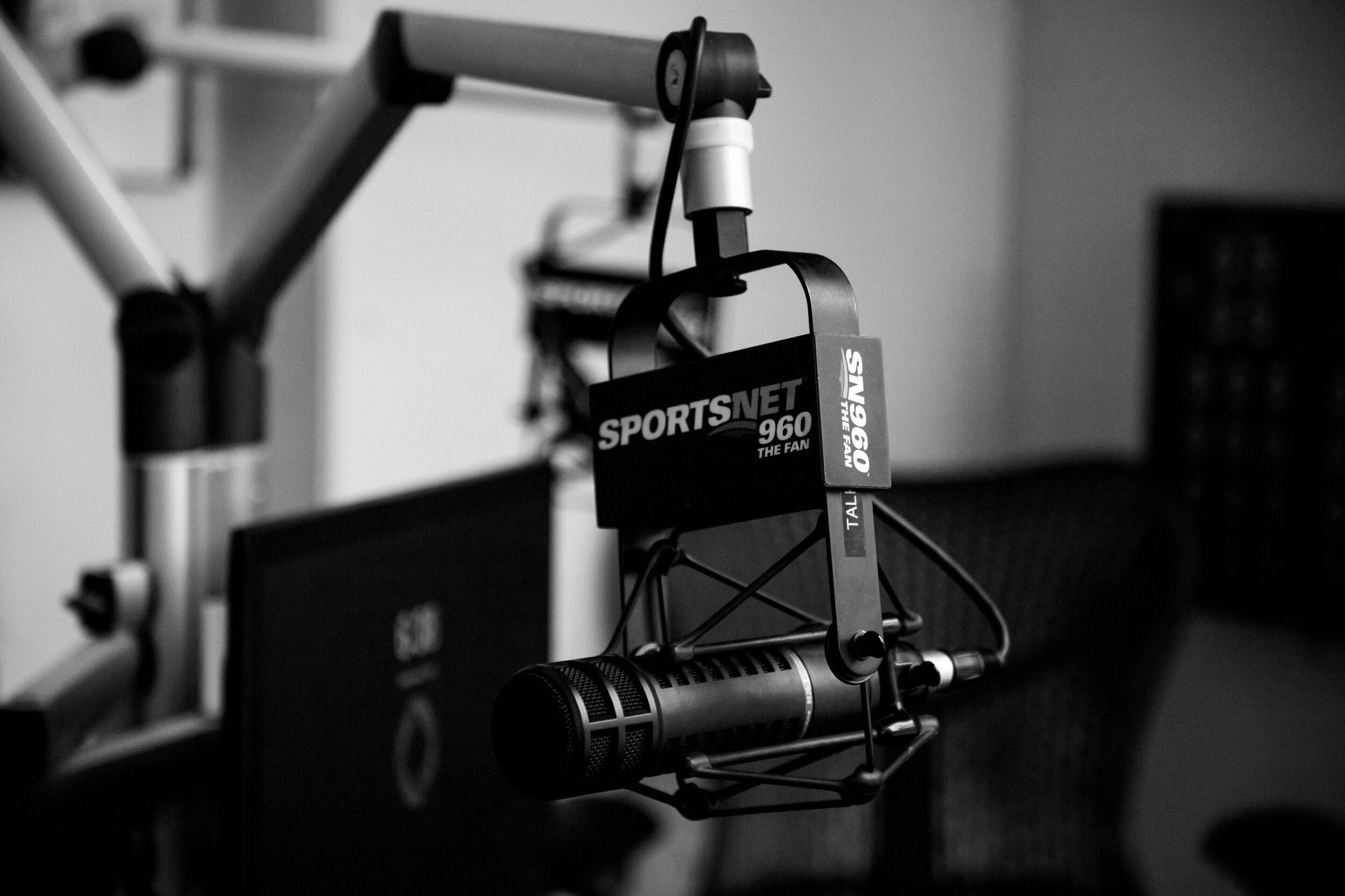
I think from every walk of life you can find a connection within sport.
EJOC: And why do you think local journalism still matters?
PRUSINA: Oh my goodness! What sticks out to me is 2013 and the Calgary flood. And without local journalism, I often wonder what that could have turned into, the disaster it could have been. But the fact that there was media there to tell you how to take care of yourselves, take care of your family, what the issues were with traffic, how to have clean water. It was just one of those turning points, I think, in local journalism over the last 10, 15 years.
And it showed me how important it was to have the community aspect when it comes to broadcasting.
It was on radio. Radio is a free service. Everyone was able to tune in.
EJOC: Looking ahead, what do you think of the future of broadcasting or journalism in general?
KNOP-WRIGHT: Oh, that's a tough one. I'm an optimist by heart. I think that the pendulum is swinging, and now we're kind of at the lowest point. We have seen a resurgence in Canada of local radio stations in smaller communities. So as licenses have been bought up, they've been bought up by local organizations that are building that kind of community that I'm talking about and are talking about those kinds of stories.
So I think it's almost like going back decades and saying: Let's build this from the ground up. And my hope of hopes is that eventually broadcasting will be a really strong industry again.
MELGAR: More independents for sure. It'd be great to see 660 come back. If not 660, then maybe another radio station but as an independent. I think there needs to be a level of ownership and connection with the people when it comes to informing the news. Yeah, we need to make money. Everyone needs to make money. We need to survive—of course, right? But I think there needs to be some kind of precedent or recognition that this is a service for the people.
It’s almost like going back decades and saying: Let’s build this from the ground up.
EJOC: What would you say to people who say local journalism or broadcasting isn't worth investing in anymore?
MONTGOMERY: This is an argument and a discussion that's been had now for two decades or more in this direct way: Can social media replace journalism? And the answer is, I guess it depends who's controlling your algorithm.
When we were producing our newscasts, it was Calgarians making the decisions about what stories matter to Calgarians. When you're looking on your Facebook or your Instagram or your X algorithm, that is another corporation somewhere else that doesn't have a stake in what's happening here in our city, deciding what stories you're going to see in what order.
It's much less human in an age where we're worried about that kind of thing. Losing that human angle to stories and deciding what matters.
And it also changes the priority of the stories you're seeing, which we know has in the past changed people's opinions—even the ways they're feeling that day.
So that's what you're losing. You're handing it off to powers that you can't identify.
When we were producing our newscasts, it was Calgarians making the decisions about what stories matter to Calgarians.
The century-long history of AM 960 CFAC
These two stations had deep roots in Calgary. AM 660 had been broadcasting since 1984—that’s more than four decades. And AM 960 had been broadcasting for a lot longer than that—for over a century. Its call letters were CFAC, and it started broadcasting in 1922.
A friend of mine named Jacqueline Donoghue worked for CFAC early in her career. She was born in 1930, and in the 1950s she tried to get a job at the Calgary Herald but was told that the paper would not hire any women reporters. So she went across the street to CFAC instead. They also weren’t inclined to hire women as broadcasters.
But she found a way, as you’ll hear.
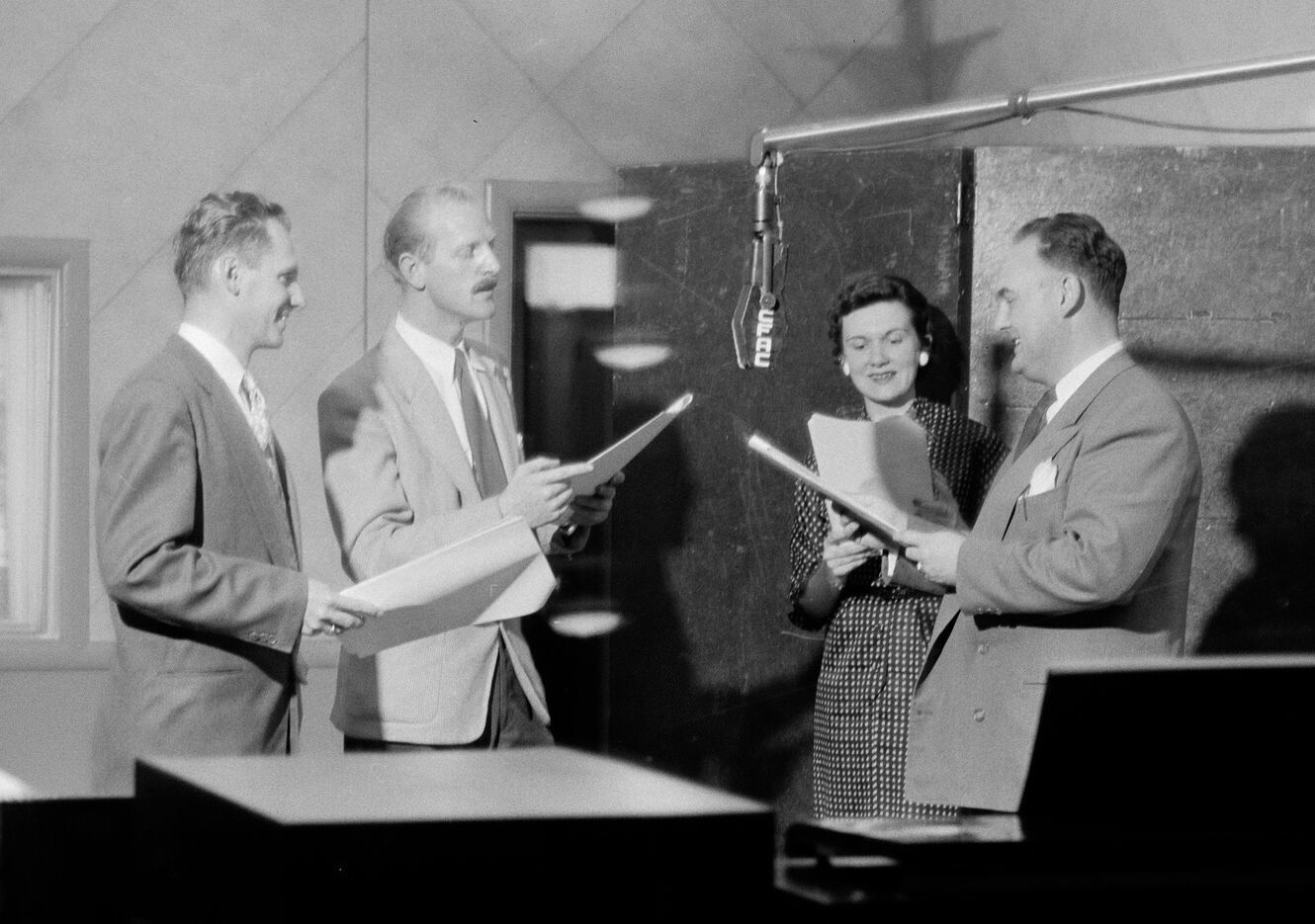
The only jobs for women were to have a children’s program or to have a women’s program.
This was the heyday of radio. The CBC wasn’t even 20 years old at that point. And there were all kinds of radio dramas on the air. Think of it as the Netflix of the time. The local novelist W.O. Mitchell had a national radio drama called Jake and the Kid, and there were tons of other shows on the air.
Most of these shows were broadcast live. If you were listening to the radio, you knew there were real people on the other side, speaking into the microphone.
Jacqueline Donoghue was one of those voices for Calgarians at a time when women weren’t considered serious broadcasters or even listeners of radio. But when she got her own show on CFAC, she shook up the format of the so-called “woman’s show,” going into the field to interview newsworthy local women. She also spoke with two big movie stars of the day, Charles Laughton and Cary Grant—also known by his birth name of Archie Leach.
We’re going to listen in to a talk that Jacqueline Donoghue gave in April 2025. She was speaking to a group of local historians. Their group is called Calgary’s First Century, and it’s part of the Calgary Association of Lifelong Learners (CALL). And Jacqueline Donoghue spoke to them at cSPACE, which is in a 1912 sandstone school formerly known as King Edward School.
‘My life in radio’: A pioneering Calgary broadcaster tells her story
JACQUELINE DONOGHUE: My name is Jacqueline Donoghue. It's been other names as well, but that's my alias for today, and it makes me feel very happy to be here.
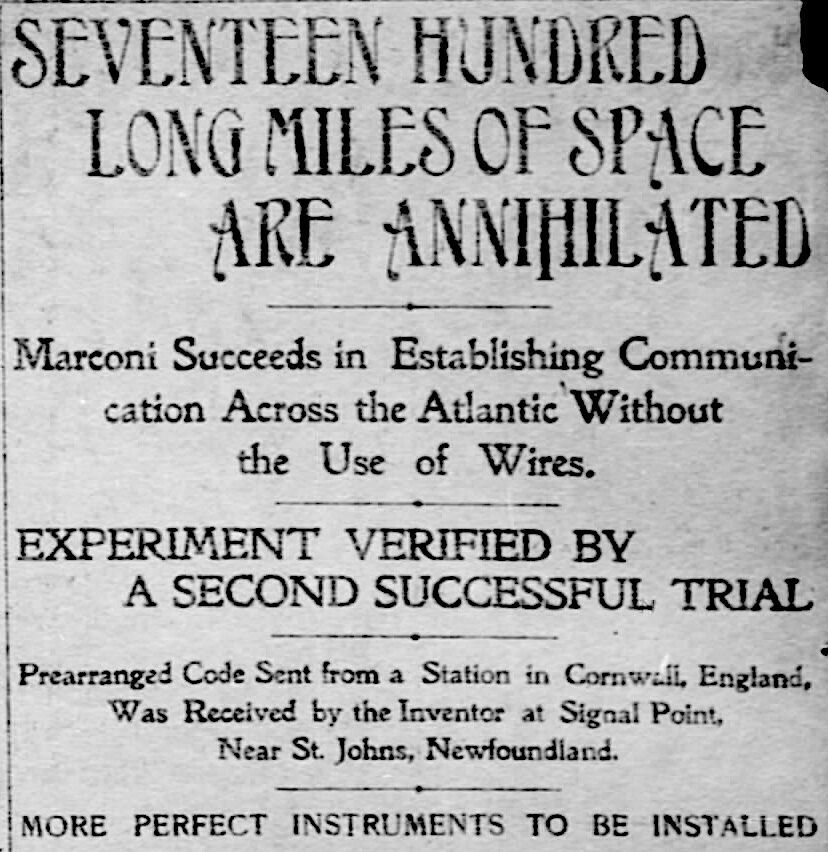
Now let's really review what radio was all about. Radio was so different from what we knew before. Radio waves, sound waves, were thought to just sort of disappear into the stratosphere until Marconi sent a message from England to Newfoundland, and then it was determined that radio waves followed the curve of the Earth.
We were used to the printed matter. The invention of the printing press. We were used to movies. Well, radio wasn't like that because radio had no pictures. Radio was immediate. You turned it on, and there you had radio.
It didn't have to be published. It didn't have to be filmed. It was immediate.
Radio came to Alberta and to Calgary through the back door. Let me explain.
In 1950s, there were three radio stations in Calgary. The oldest one was CFCN, and it's the one that came through the back door. It started in High River and by the 1930s, it was owned and operated by H. Gordon Love, and he increased the wattage to 10,000 watts. And that radio station could be heard almost across Canada and all the way down to California.
It became known as “The Voice of the Prairies.”
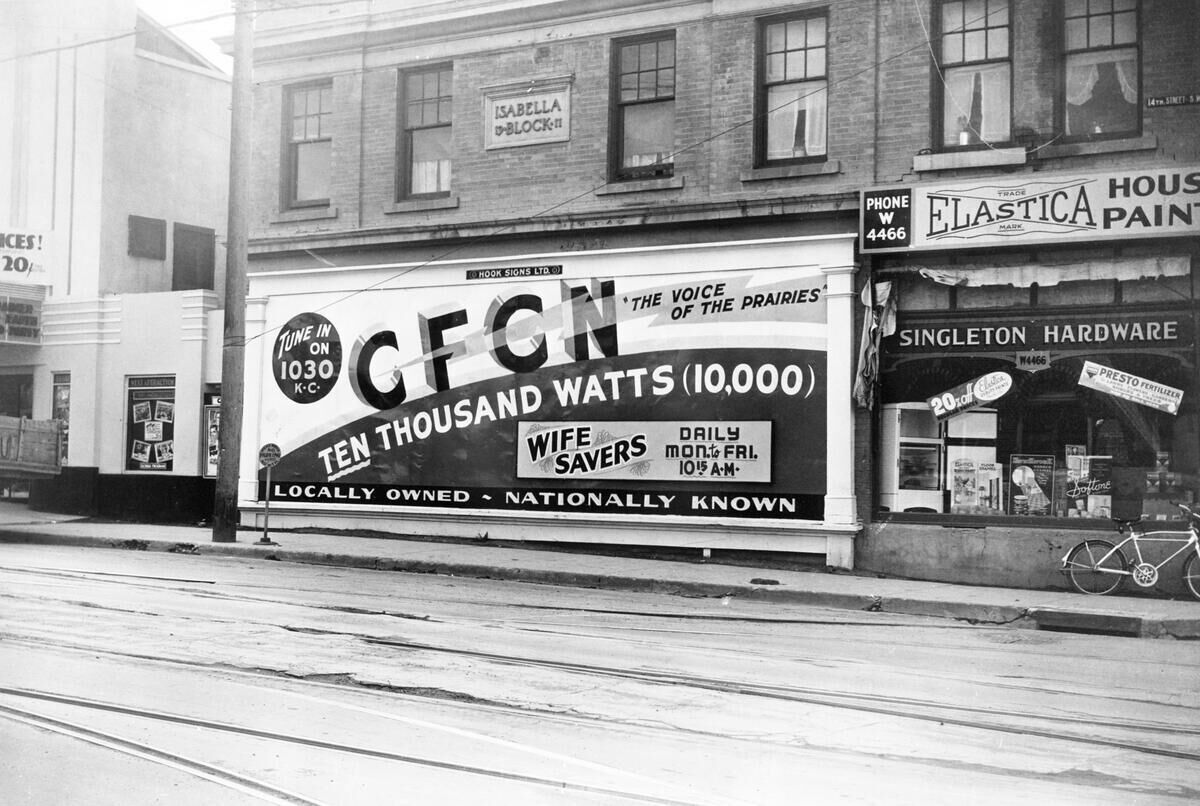
By the 1950s, the audience for CFCN radio were rural people, ranchers, farmers, small towns, and in Calgary, anybody who liked cowboy music.
The other radio station was CKXL. Now CKXL started out as being the radio station of the Calgary Albertan newspaper. The Calgary Albertan had sold the radio station to XL, which was a group of stations with the XL at the end of their call letters. And they were referred to as “car radio” radio because car radios were put into cars as early as the 1930s. But in the 1950s, they were in every car.
You got in, you turned on your car radio, you started down the road, and you heard news, weather, sports and music.
CKXL produced two people, one I think you've heard about: Don McKay, who became the mayor of Calgary and Leslie Nielsen, the actor. CKXL had a small operation.
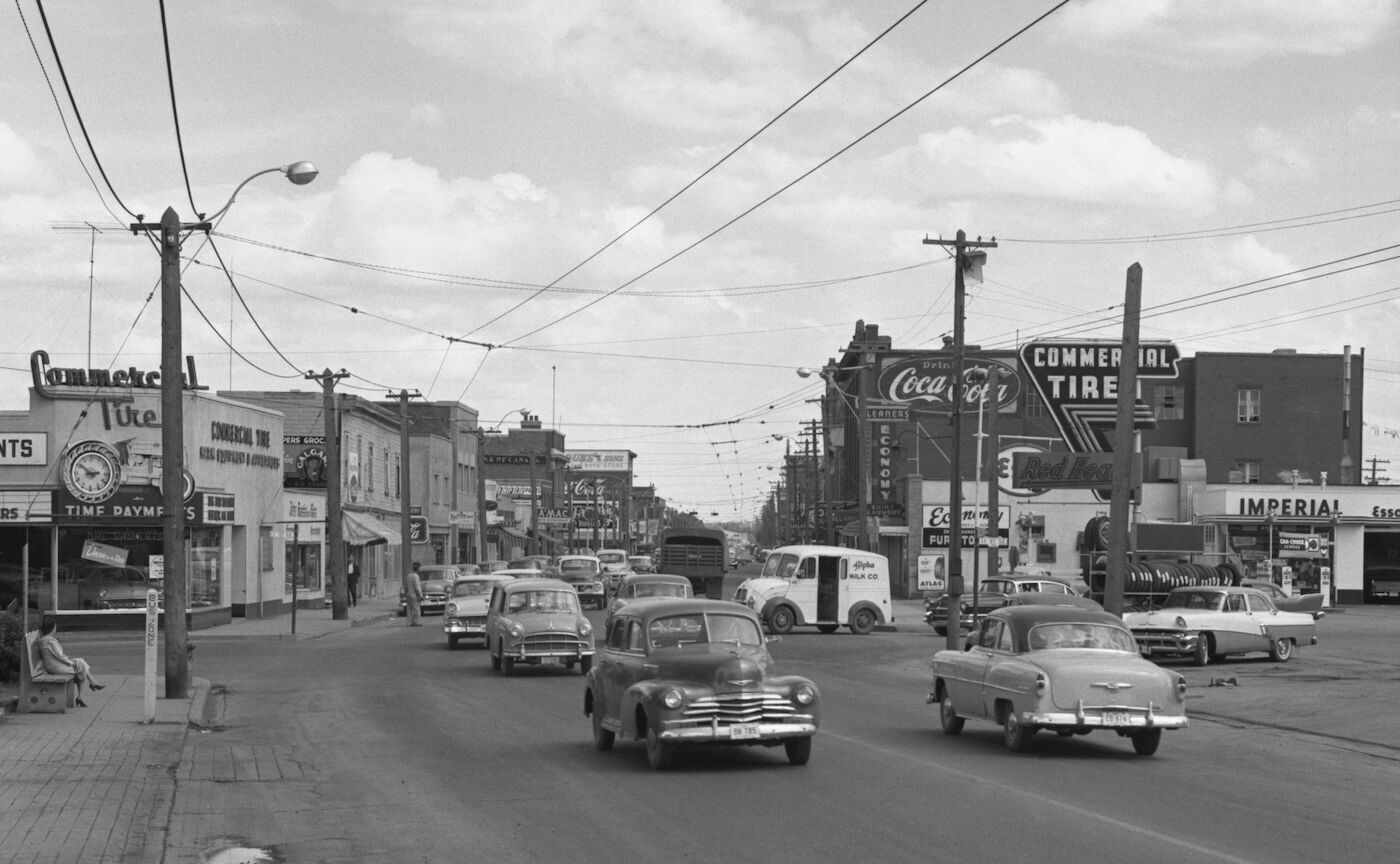
The biggest radio station in Calgary in the 1950s was CFAC radio, which began as the radio station for the Calgary Herald. But by the 1950s it was owned and operated by Taylor, Pearson, and Carson.
It had a radio station in Edmonton, in Medicine Hat, and in Lethbridge—and the one in Calgary. The biggest difference was the one in Calgary was affiliated with the CBC. Everybody who worked at CFAC said they had two bosses. One was Taylor, Pearson, and Carson. Mr. Carson lived in Calgary. And Mr. Carson said that none of those radio stations could feature music by Elvis Presley.
“Why not, Mr. Carson?”
Because Elvis Presley wiggled his hips when he sang.
“Mr. Carson, this is radio!” [Laughter]
The other thing was the influence of the CBC. There must have been a little man in the basement in Toronto listening to the affiliates all across Canada, and if he heard bad grammar, mispronouncing of a word, then you got a letter through the mail telling you about it.
CFAC was located in the Greyhound building. The Greyhound building was on the corner of 7th Avenue and 1st Street S.W. And it was 10 stories high and had a penthouse. Well, CFAC occupied the whole 10th floor and the penthouse and the roof because they would broadcast the Stampede parade from the roof as it came down 7th Avenue.
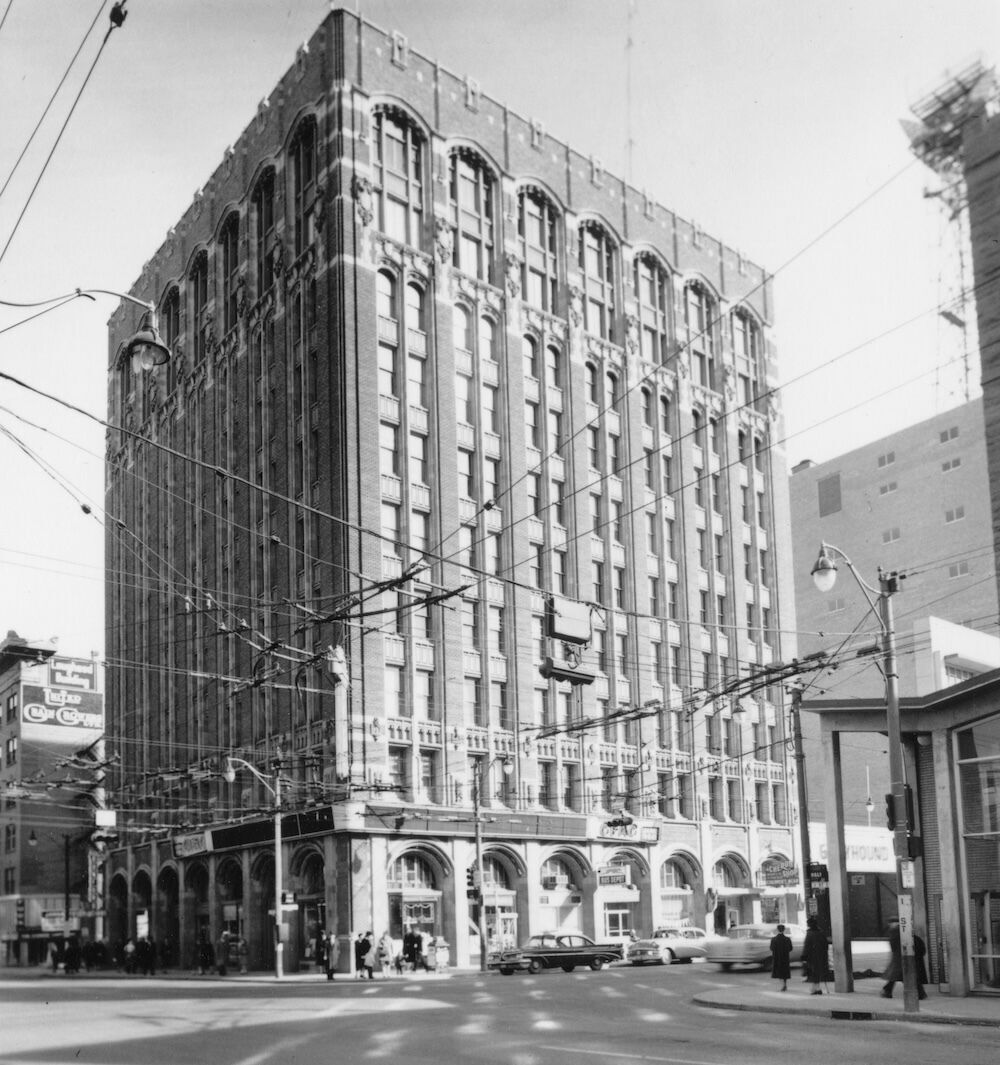
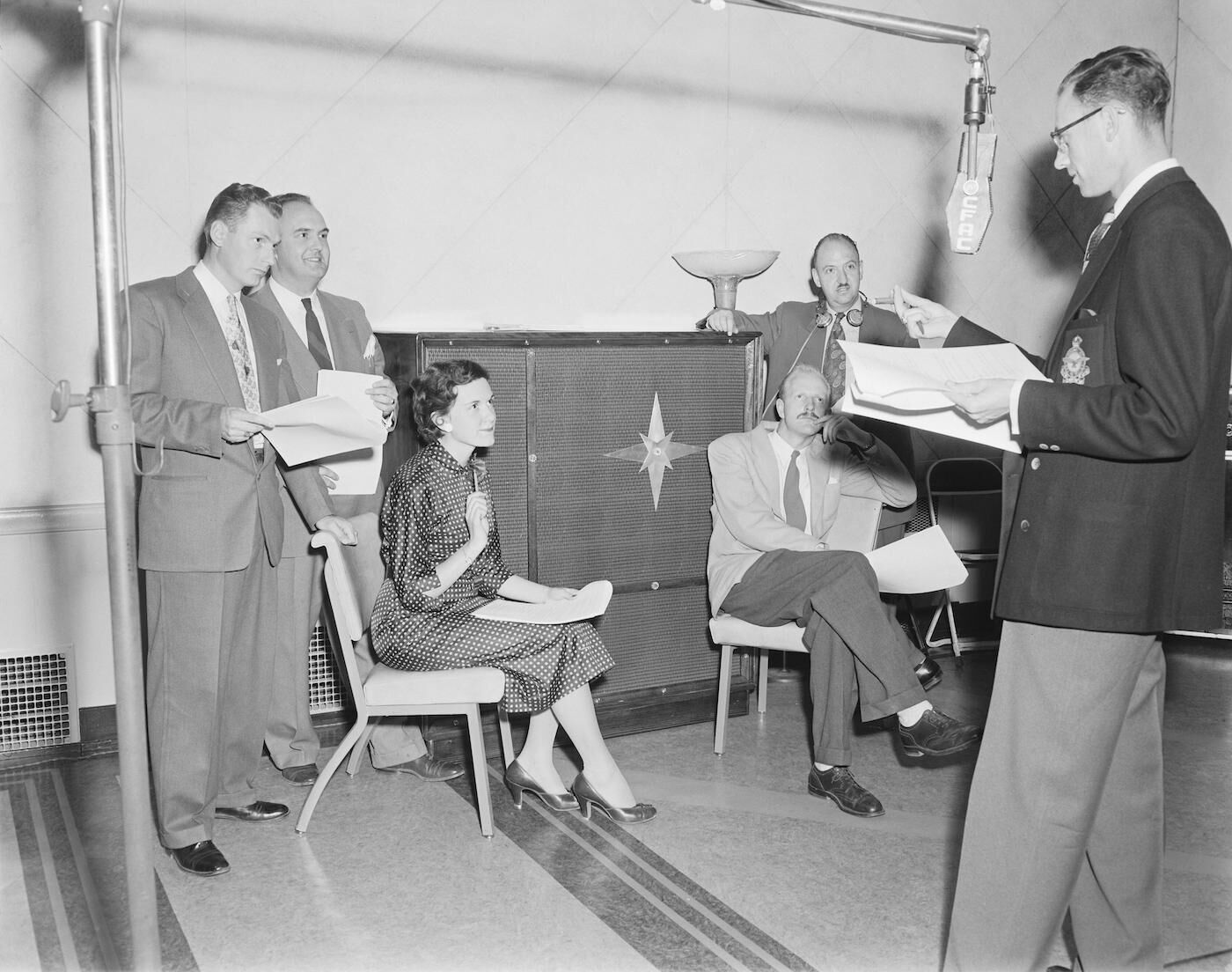
It had a staff of 45 people, very talented people in many professions. And it had a huge studio twice the size of this room. And in that studio there was a grand piano, and an organ, and all the equipment necessary to make big master discs. And it had, on the same 10th floor, another studio where you could have a more intimate interview.
And in the penthouse it had the on-air studio—plus the news studio and a grand piano up there too, as I remember.
The radio writing session was where I got my job.
I had started out thinking that I would be a children's librarian because I had my nose in a book all the time. And I wasn't going to be a nurse—no. Or a teacher—no. I would be a children's librarian.
When I was in high school at Crescent Heights, I got a job at Central Memorial Library in the children's department as a page. A page put away the books and tidied up. And every Saturday afternoon, they would have the children's story hour, and the librarian would read from a book, and then show the children the pictures in the book.
Miss Rogers, the librarian, said that I could do that. I could try that. Well, story time at the library was broadcast over CFAC radio. And that's when I decided I wouldn't be a children's librarian. No, I would be a radio announcer.
I would be the female Matthew Halton.
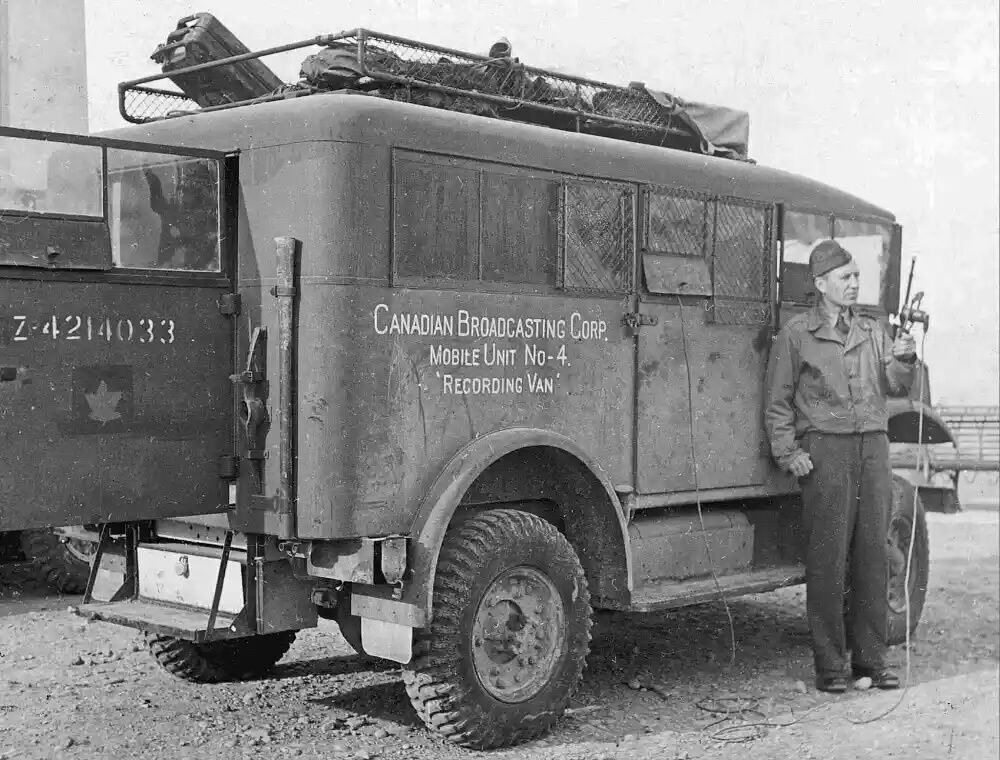
Matthew Halton from Pincher Creek was in London all during the war, and we listened to him on our big Philco radio in the living room. And he took us into London, as it was being bombed, through radio and description and sound. And that's what I wanted to be—a broadcaster like Matthew Halton. Well, there was no place in Canada for me to learn that craft.
There were universities where I could take print journalism and there was no place except for the Academy of Radio Arts with “Pa Cartwright.” You know who I'm talking about? He had been an announcer at the CBC called “The Voice of Doom,” and so I applied at Lorne Greene's Academy of Radio Arts.
I got a letter from Mr. Greene. He did not accept any women in his academy. Why? Because women were not serious listeners of news and serious plays or anything on the radio. Only men were serious listeners. And men did not want to hear women voices because women's voices had no authority.
Well, Lorne Greene had never heard my Grandma Nowlin when she was in full voice. Even the chickens stood at attention!
I got a letter from Mr. Greene. He did not accept any women in his academy.
So I went to school—first-year university at Mount Royal College because they transferred credits to the University of Alberta and also to the University of Oklahoma in case I wanted to become a petroleum engineer. Fortunately, I found a university in the States where I could major in radio and television and minor in print journalism and theatre.
So I came back to Calgary all ready to be the female Matthew Halton. There wasn't a job like that for me across Canada.
The only jobs for women were to have a children's program or to have a woman's program.
So I got a job writing commercials at CFAC radio. Best thing that ever happened to me. CFAC only broadcast six commercials in a half hour of programming. CFAC didn't put competing commercials in that half hour, and the writers of commercials did not write for competition. So I wrote for Birks Jewellers and Mabel Abercrombie wrote for J. Vair Anderson Jewellers.
And we could use anything we wanted in that studio.
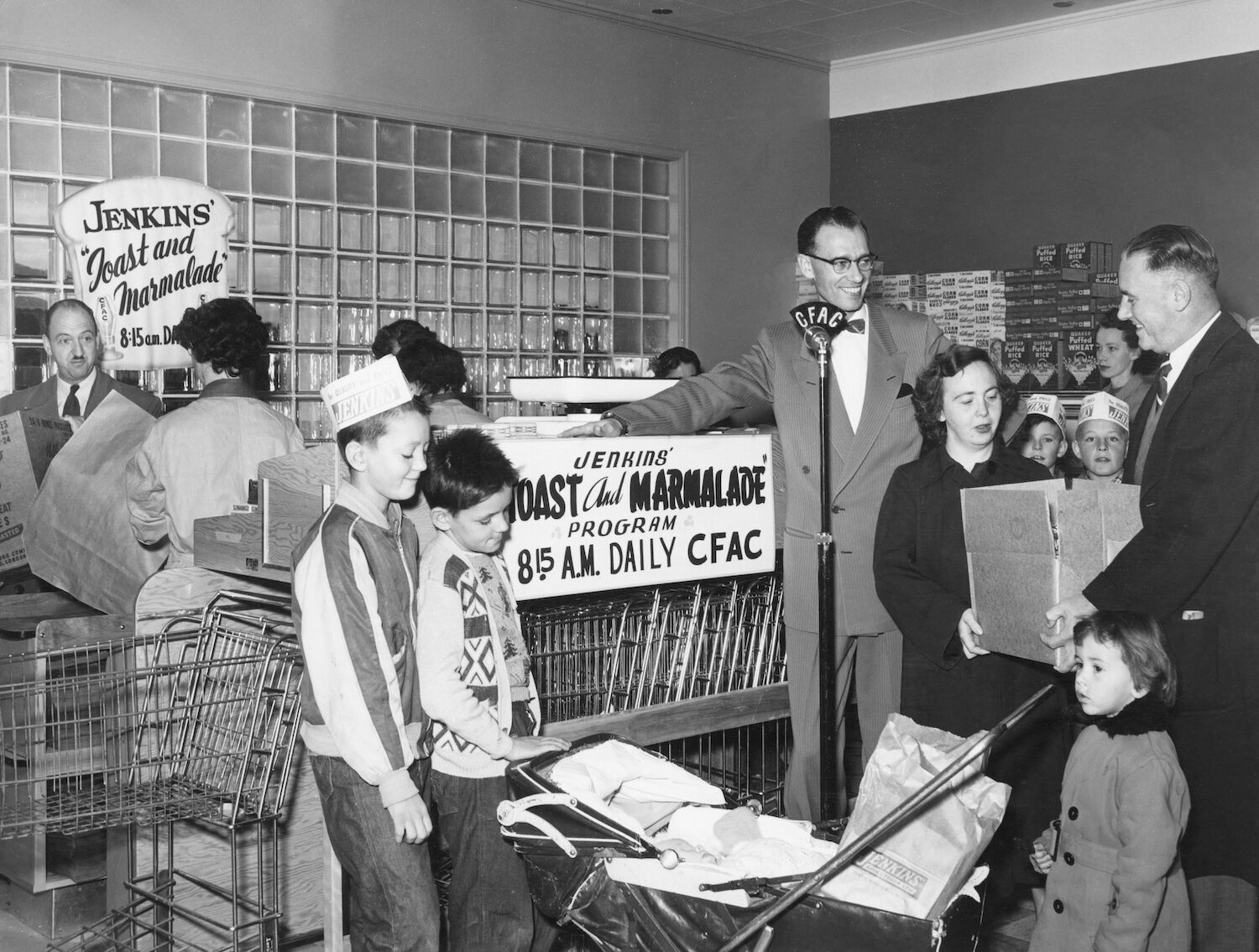
Clarence Mack was the main announcer. He had a program called Toast & Marmalade. He had a program in the afternoon on Saturdays called State Your Case. And he also had a program from the Palace Theatre—Eaton's Good Deed Club.
He was the spark of that station. He was also responsible for getting the big engine outside Heritage Park. You sent in a dollar, and that went to refurbishing it and moving it there. And he was an alderman in Calgary.
So I could use Clarence Mack as long as I didn't use him for anything other than Jenkins Groceteria.
So I got a job writing commercials at CFAC radio. Best thing that ever happened to me.
But I could also use George Brown, who was the head of programming, to sing my jingles. He had a wonderful voice. And I could use Bruce Bristowe at the organ or the piano, because although he had a band at the Palliser Hotel, he was also the musician for CFAC.
I could have Dick Tregillus do sound for me. Dick Tregillus, who was head of public relations, made all the sounds for Clarence Mack's programs that he did for the CBC. Coconuts, half-coconuts—horses coming down the street. A big sheet of aluminum—thunder and lightning.
Then I got another job on air, although I'd been putting myself on air in the commercials sometimes. I was Betty Bishop from the Betty Shop. Mmhmm! I was the little girl on the McGavins loaf of white bread. Mmhmm!
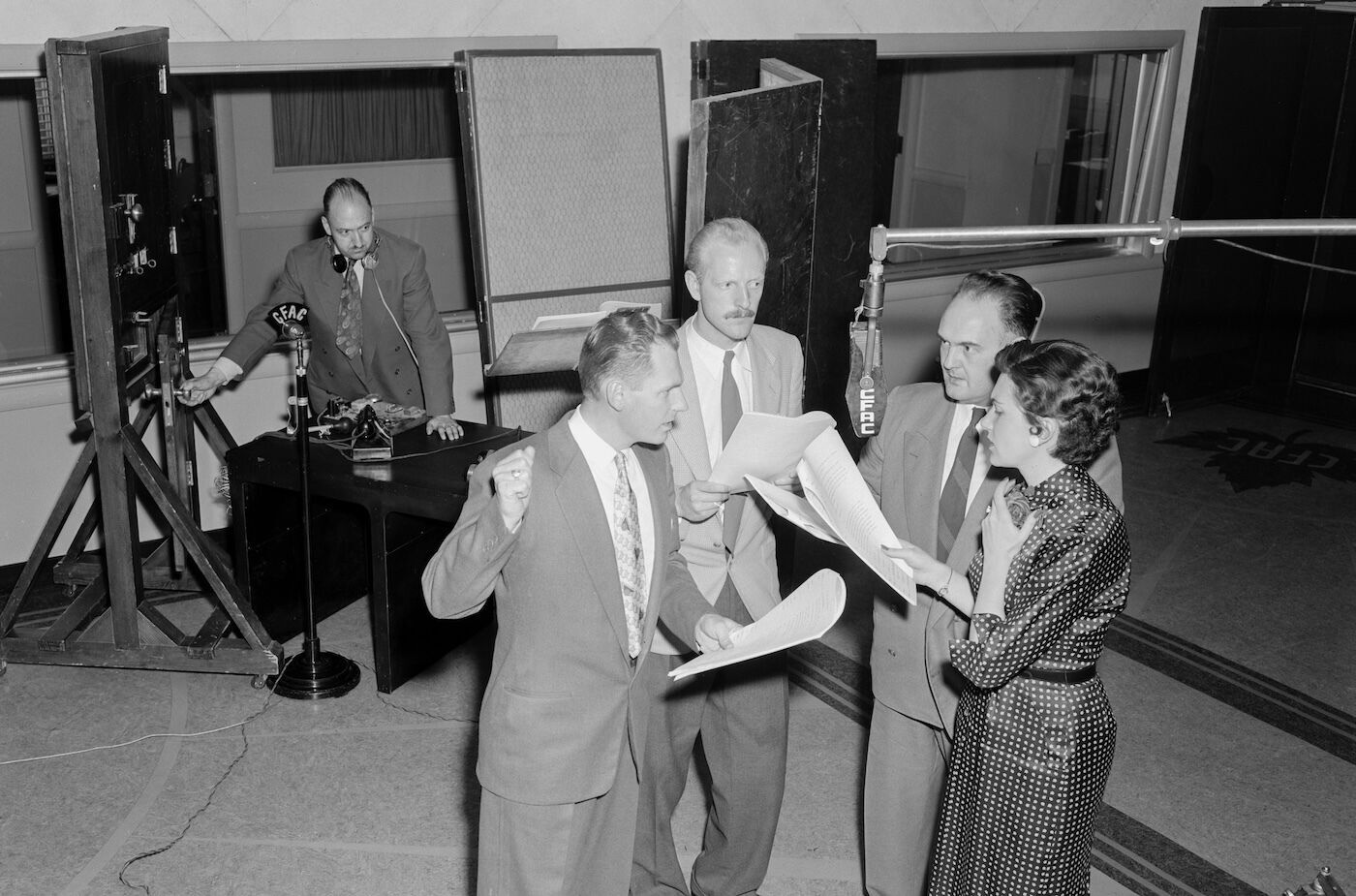
But then I got a legitimate job, and it was because of a mistake somebody else made.
The Saturday morning children's show on CFAC came from our station in Edmonton. The sponsor was Byers Flour Mills of Camrose, Alberta—my old hometown. And the product was Sunny Boy Cereal. The storyteller was a radio actor who became sort of an old farmer as he told the stories to the little kids. Well, one day, the farmer finished his broadcast, sat back in his chair and said, “Well, that ought to hold the little buggers.”
The farmer had forgotten to turn off his mic!
And the little buggers heard what he had to say, and the moms and dads, and the Byers Flour Mills people. So that's how I became the Sunny Boy Cereal story lady.
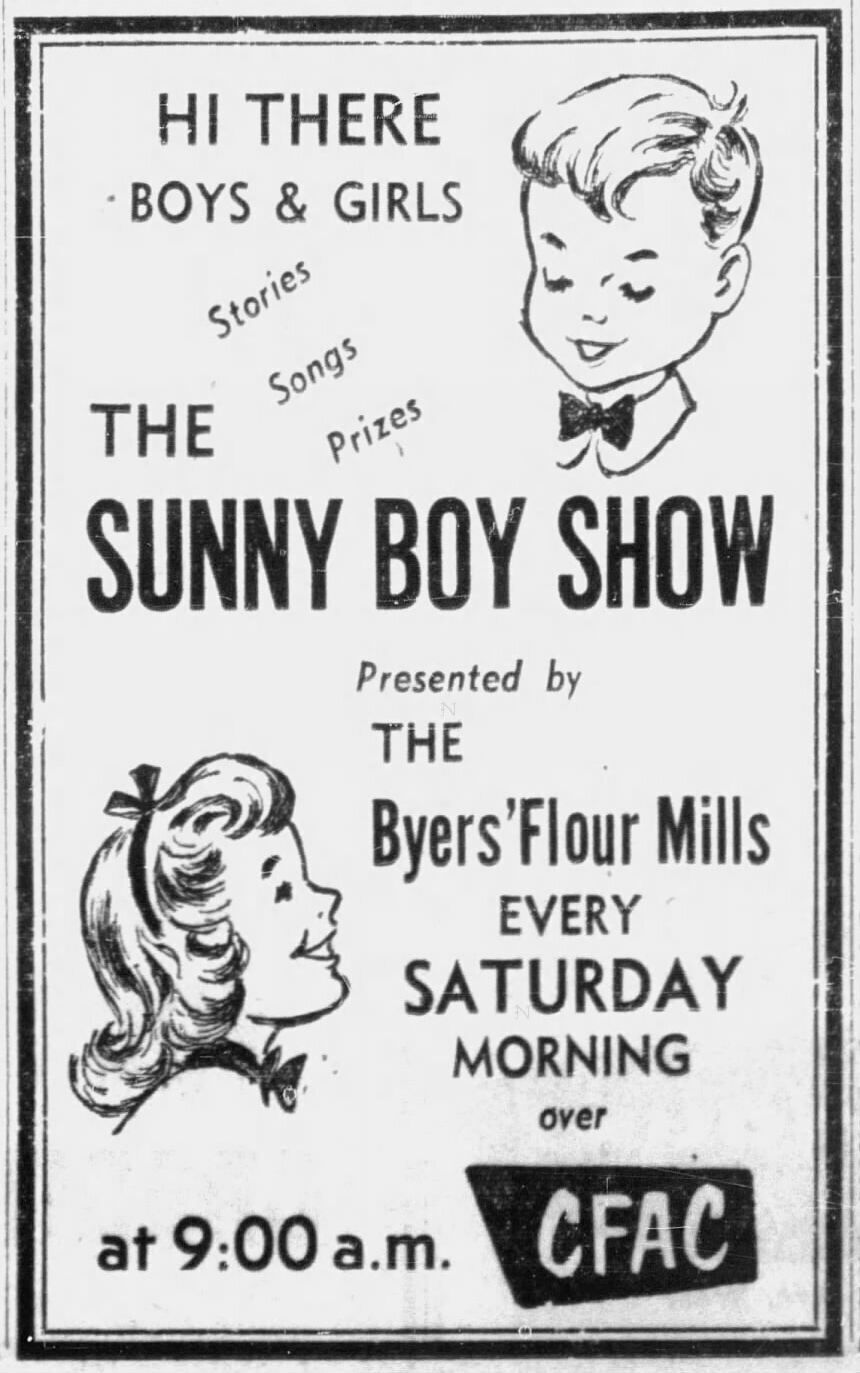
I could do that and still write commercials because, in the 1950s, you worked Monday through Friday, nine to five—and on Saturday from nine to noon. So I wrote commercials nine to five, Monday through Friday. And on Saturday morning, I was the story lady.
One day, Bert Cairns, the manager of the station, called me into his office and asked me if I would like to take over the woman’s show on the station. The woman’s show?! The woman who had the woman’s show came in every day, Monday through Friday, at 10 to 4, when she went on the air. She was an old home ec teacher, and all she did was give out recipes for tuna fish casseroles and tomato aspic and starch.
The starch wasn't in the tomato aspic—no, it was in the shirt collars. [Laughter] And her audience were older women who were housebound and young women housebound raising children.
I didn't want to have that show! I mean, I was 23 years old. I was living at home. I didn't know how to cook. The only thing I could do well was make chip chocolate cookies, and they were really good too. But I didn't want that job. Even my mother didn't listen to that program! She was too busy volunteering at the IODE thrift shop.
She was an old home ec teacher, and all she did was give out recipes for tuna fish casseroles and tomato aspic.
But I came out of that meeting, an hour long with Bert Cairns, and I was the new broadcaster for the women’s show.
I would have an office, which I would share with Eric Bishop, the sports announcer. I would give up writing my beloved commercials, but I could keep my children's show. But it would be a show with a difference, because Mr. Cairns wanted a different woman’s show. And he gave me a wide, broad position.
I would get a portable tape machine. And I would have a pass for the taxis because I didn't know how to drive. And I would go out and do stories. I could be a female Matthew Halton—it's what you make it! And my program was going to be called It's a Woman's World.
Well, I want you to visualize what I looked like when I went out to do my stories. Because what I did was I would go out and interview people, mostly women, in sort of natural surroundings, come back, set the scene for my listeners, and then play the tape. Just like Matthew Halton did in London.
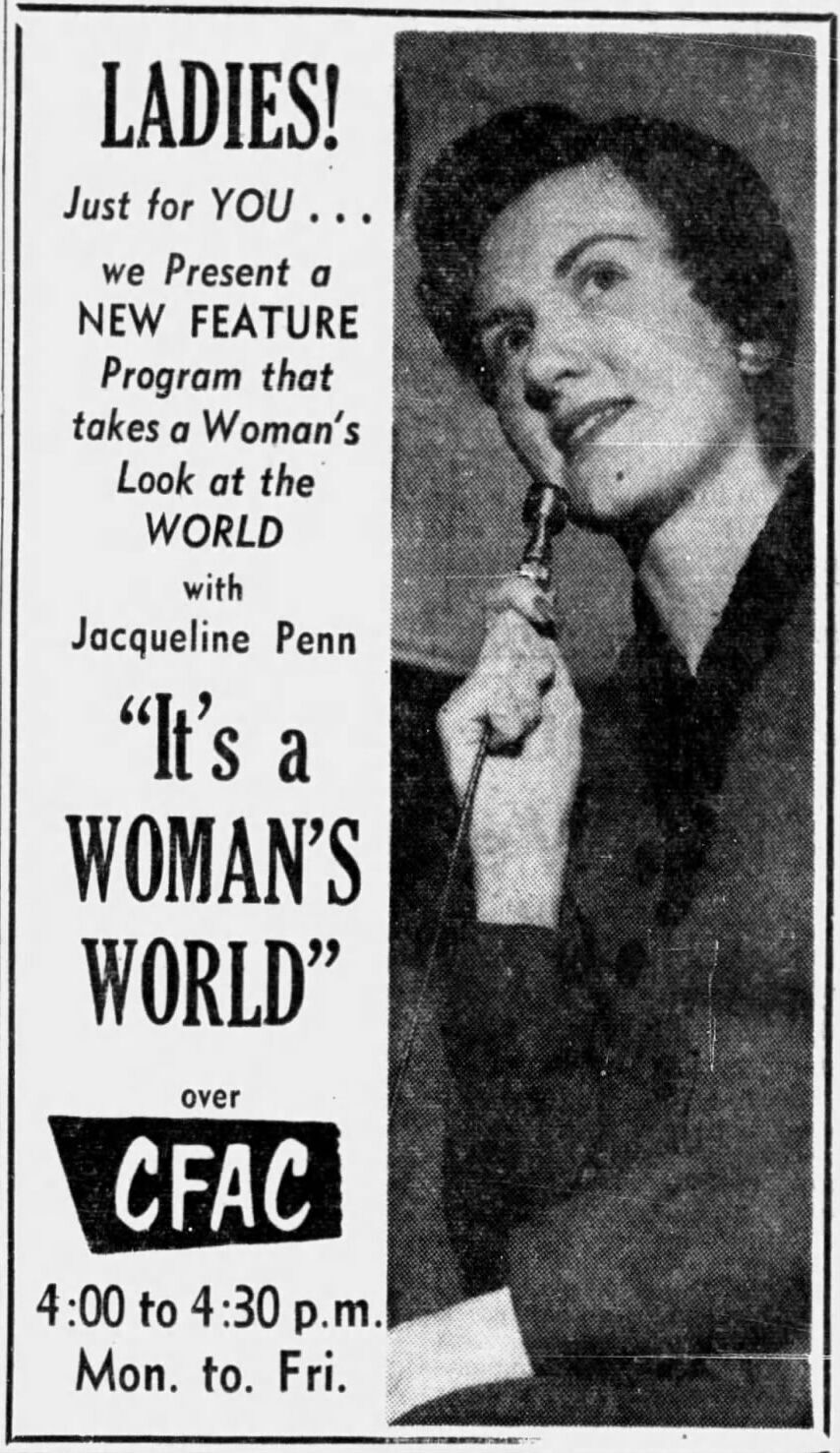
I would have on a hat, a suit from Holt Renfrew, pencil skirt, three-inch high heels. And I would be carrying a purse. And in my purse would be my Revlon Cherries in the Snow lipstick, and I would also have my Max Factor compact, and a handkerchief, and my gloves. Everything matchy matchy, kind of like the way I still do.
I would keep carrying this 15-pound portable tape machine. And sometimes my Mickey Mouse lunchbox filled with chip chocolate cookies—because you know, a cuppa and a cookie are a way to get people to relax and talk to you.
So let me tell you some of the people I did talk to.
I chose women whose pictures had appeared in the Calgary Herald or the Calgary Albertan. People like Mary Cross Dover. I didn't interview her at city hall, where she was an alderman. I taped her in her garden, and you could hear the birds. You could almost hear the sound of the breeze. And I took it back and played that.
My audience knew what she looked like—but now they knew what she sounded like and what she maybe stood for. Not quite so military as we might have thought.
I interviewed Ruth Gorman. I interviewed her, not in her law office. I interviewed her along with John Laurie, not in his classroom at Crescent Heights, where he taught me English. No, I interviewed him at a powwow out at Morley.
I interviewed a young woman by the name of Violet King.
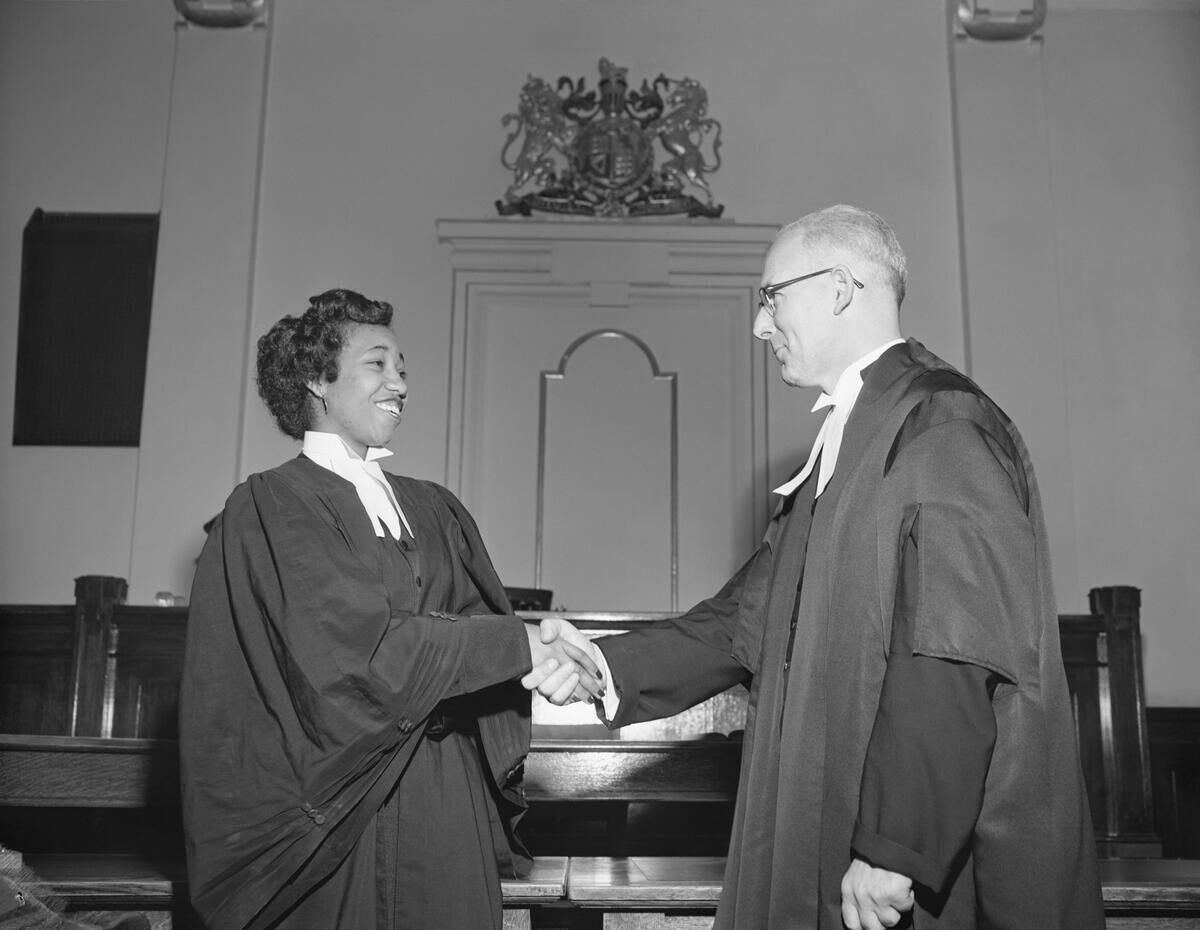
Violet King was the only Black person to graduate in law from any university [in Alberta], and she was a lovely interview. And she went on to a spectacular career.
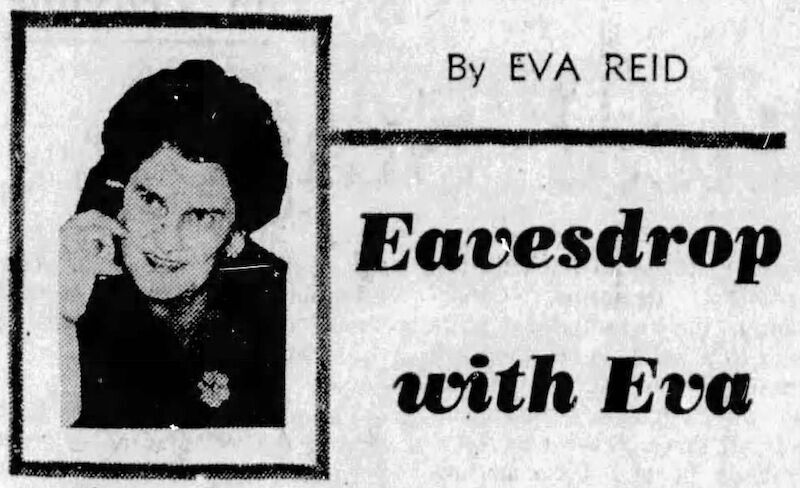
I interviewed a woman whose name did appear—not her picture very often—in the Calgary Albertan. Eva Reid. She had started out as a secretary for William Aberhart. And then she went to work for the Albertan and she became the court reporter.
She was one of the best reporters you could have. She checked every fact, and she did it without any bias or opinion. She was a great reporter.
I interviewed the artist Janet Mitchell. There's nothing like the smell of an art studio to set the scene. The turpentine and linseed oil. She was such a wonderful artist. She painted fantastic pictures in beautiful colour. She never gave up her job at the tax office, no matter how many paintings she sold.
I interviewed Annora Brown, the artist, at Fort Macleod. Annora Brown had painted small pictures of wildflowers, one wildflower at a time, during the Depression that sold for a dollar. I interviewed her when she had a commission from the Glenbow, Eric Harvie, for 200 pictures. She was a lovely interview—very bright.
I had to hook a ride though to get there because the taxi didn't go to Fort Macleod. And so I went with Ken Liddell.
Ken Liddell and Tommy Primrose and Art Evans and I had lunch at the Tea Kettle Inn quite often, and they were all print reporters for the Herald or the Albertan. And so one time I put them on the air. Kind of a Dorothy Parker round table at the Algonquin—I have a vivid imagination! And they were great. They told stories.
I chose women whose pictures had appeared in the Calgary Herald or the Calgary Albertan.
Calgary and the world had to cope with a huge pandemic in the 1950s: polio. I did a story about three people in iron lungs in the general hospital: a young man from Lethbridge, a hockey player; a man in Calgary who conducted choirs; and a young woman, the mother of small children. She went in a portable iron lung to see her children. None of those three people survived.
I did a story about the nurses and the physiotherapists at the children's hospital, where the halls were lined with children in cribs with polio. Some of those volunteers who went to help stayed all night long. I volunteered to go up and tell stories and tuck the children into bed. It was an even greater disaster than, I would think, COVID-19 because it affected so many children as well as adults.
Did I interview many men, other than ones I've mentioned? Of course I did! I mean, men are part of a woman's world.
I had a wonderful interview with W. O. Mitchell because W. O. would come in from High River and finish his script for Jake and the Kid on my typewriter. And he was always late. One afternoon, I had an interview with someone who didn't show up, who couldn't come. What would I do? I didn't have a recipe for tuna casserole. And so W. O. volunteered.
Well, if you knew W. O. Mitchell, you know that he wasn't just a great writer; he was a great performer. And that was the beginning of a lifelong friendship for me.
Charles Laughton was in town to make an appearance, and I decided to interview him in the large studio because if you interviewed in the large studio, the sound came out into the halls of the station. And also it was a long window, so you could look in and see.
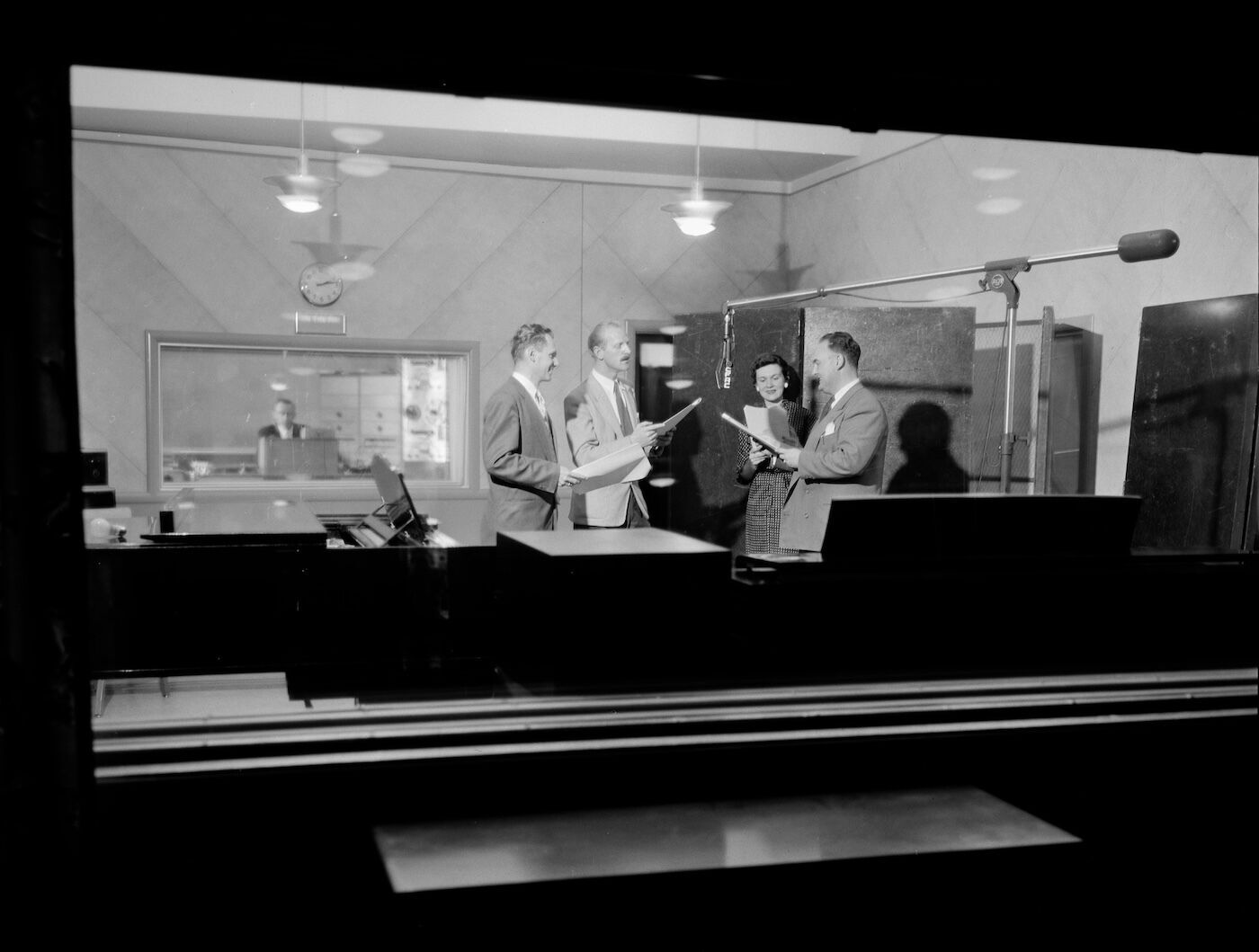
Did I interview many men, other than ones I’ve mentioned? Of course I did! I mean, men are part of a woman’s world.
The day I interviewed Charles Laughton, I think all 45 staff members were out in that hall, listening. Well, he came in. He looked like an unmade bed. And I could tell what he'd had for breakfast, lunch, and dinner, all on his woolly jumper. But I had an interview with Captain Bligh, the devil from Shaw, and any Shakespearean speech you can think of. He was a fantastic interview. Of course, he knew he had an audience out in the hall.
When he finished the interview, he didn't say “that's enough for the little buggers.” No, he came out into the hall and he shook hands with everybody, signed autographs, and then he toddled off to the Grand Theatre. He was a delight.
Now I want to tell you about an interview where I was interviewed.
All summer long I worked at the Banff Springs Hotel while I was going to university. And it was only open in the summertime, and the rest of the staff were all university students. I was the information clerk. And one day I got a call from the Banff Springs telling me that Archie Leach would be on the train from Banff to Calgary.
He was not making any interviews but if I was on that train—and I was. I got Don Fox to take me up to Banff. I got a first-class ticket. And I got into the observation car, and the train was just leaving Banff as they started to serve high tea.
And there he was: Archie Leach. Cary Grant, my favourite movie star.
Well, I had my portable tape machine in my Samsonite overnight bag, but it never came out because he said no interviews. We had lovely high tea, and they were asking a lot of questions. There was just Cary Grant and a honeymoon couple. And I had been the information clerk at the Banff Springs. I could answer all the questions—and then Cary Grant interviewed me. And we came to the agreement that I would not say anything about our train trip or anything else until I was given the word when he had left the Palliser Hotel.
And sure enough, fourth day, I got a call from the Palliser that Mr. Leach had left on the morning train for Vancouver. I hightailed it up to the news and the penthouse, and I told Don Fox. At the end of the 12 o'clock newscast, Don Fox went on and said: “If you thought you saw Cary Grant on the streets of Banff or Calgary in the last few days, well, you did see Cary Grant, and you can hear all about it at 4 o'clock on It's a Woman's World.”
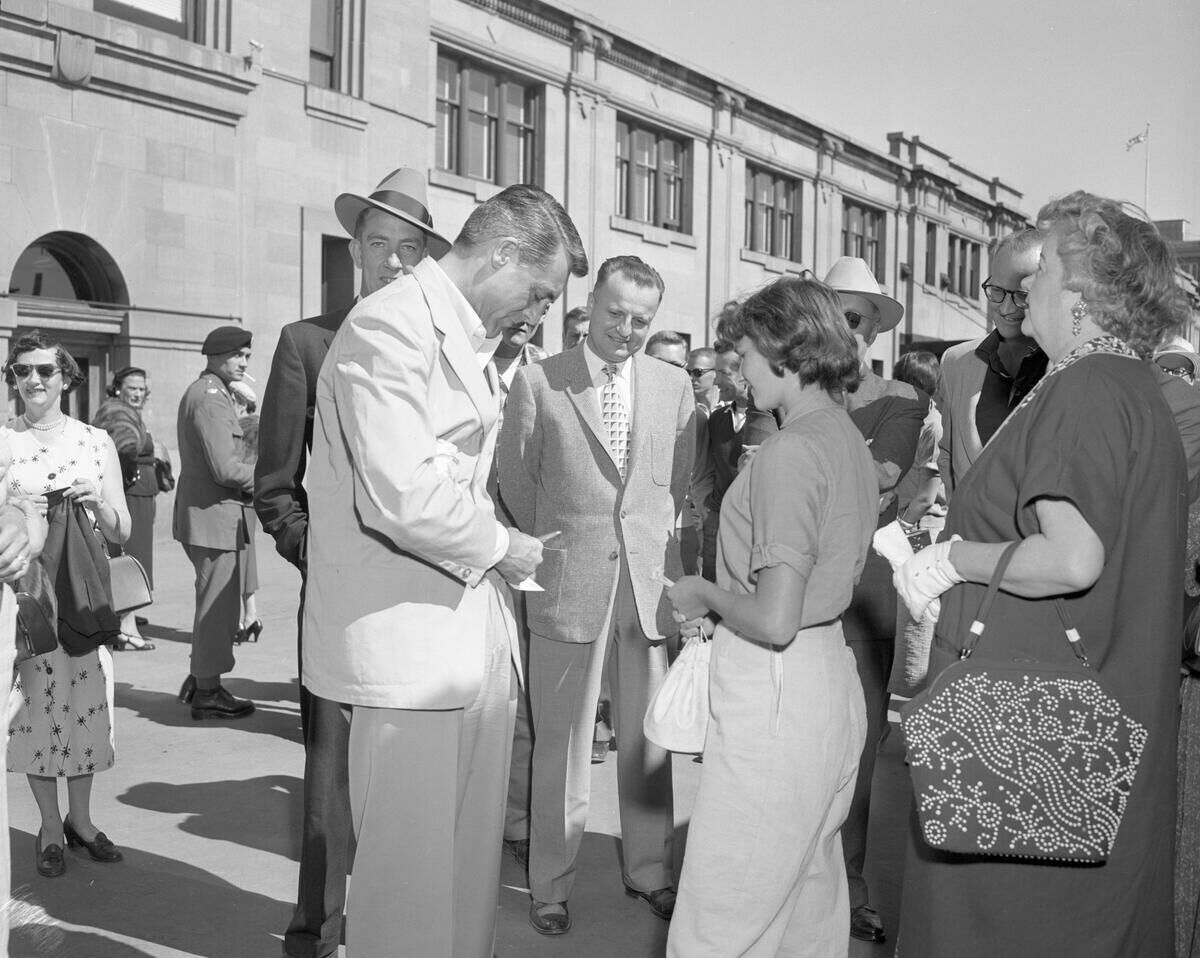
Well, at 4 o'clock I came on. My audience knew what Cary Grant looked like and sounded like. But I could tell them what he had for high tea. And I could tell them about his cashmere socks. And I could tell them how he smelled. He was wearing perfume for men that had been made just for him by Chanel. And it sold at Holt Renfrew for $75 a bottle.
Well, in 1956, Liberty magazine ran an article—that magazine's long gone—about the 10 best dressed women in entertainment in Canada. Nine of those women were from television. I was the only one from radio.
Early in the 1950s, and also in the 1940s, 80% of all homes in Canada had a radio. I mean, it was on all day. The Happy Gang. Ma Perkins. Jack Benny. Charlie McCarthy.
But by the 1960s, every home in Canada, 80%, had a television set.
It was over.
When CFAC was no longer affiliated with the CBC because the CBC built a television station in Calgary, some of us were able to transfer to television. Eric Bishop. Not Clarence Mack. He ended up as a disc jockey in Salmon Arm, where he died at the age of 56 from lung cancer. Although he never smoked, almost everybody else in radio did.
And I was told that I had a face for radio. [Laughter]
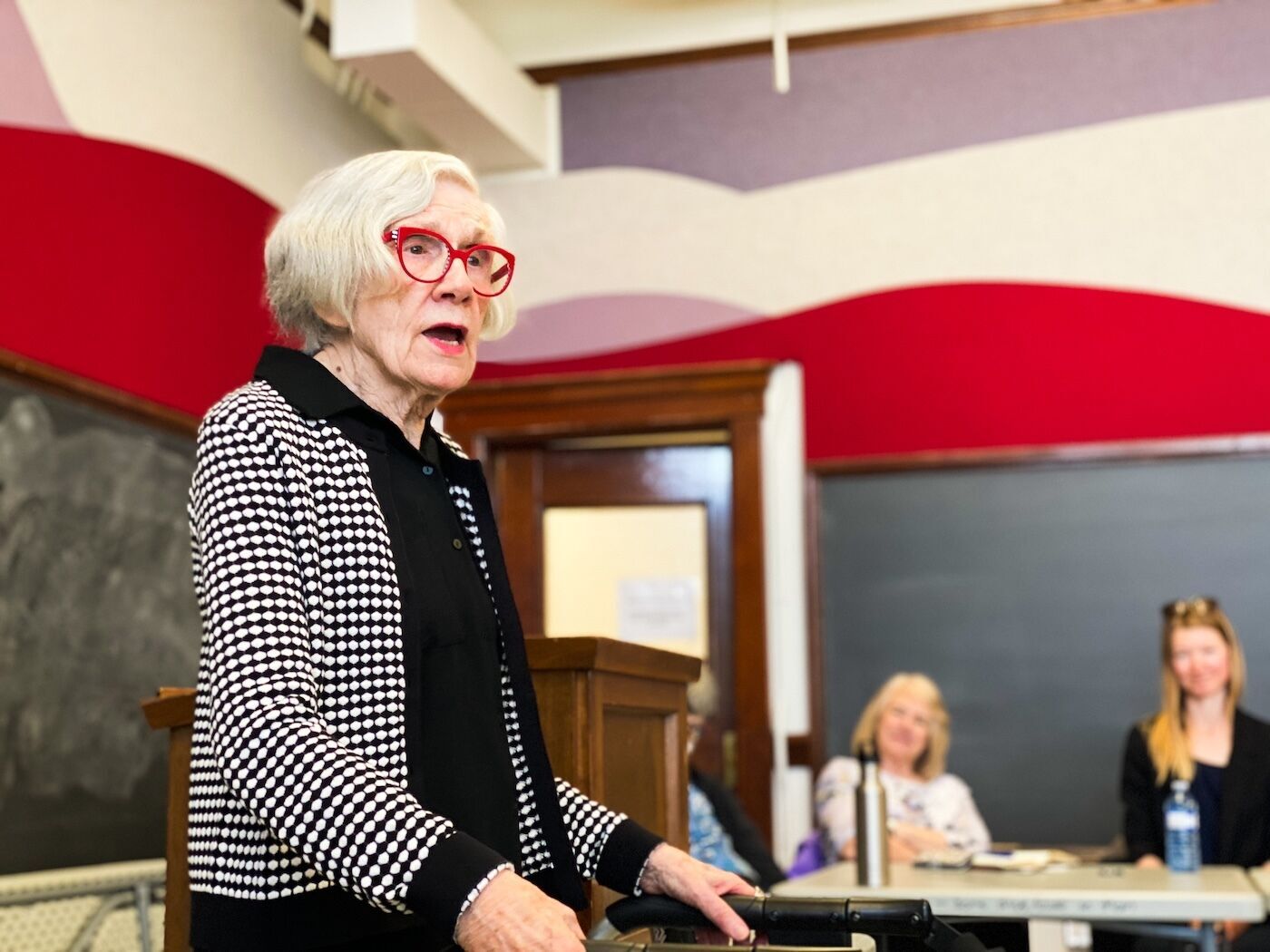
And so, as Dr. Seuss or anybody else would say at the end of a story, they lived happily ever after. I lived happily ever after, and went on to other things. I became the editor of the Canadian Hereford Digest—a lot of bull!—and I was the chairman of communicating and performing arts at Mount Royal College. And I had my own business where I coached politicians and oil presidents to make presentations and meet the media.
I had a great life. And I will say though, still now, the greatest part was when I was on radio.
And so, in conclusion, I would like to say some words I haven't said for 70 years. You could close your eyes if you want.
It is 4 o'clock on my wristwatch. It is 960 on your radio dial. CFAC Radio. It's time now for It’s A Woman’s World.
Thank you very much.
Jeremy Klaszus is founder and editor of The Sprawl. Jullianah Therese Ejoc is a Calgary journalist whose work has also appeared in the Calgary Herald.
Support independent journalism—help us get 90 new members!
Sign Me Up!To celebrate The Sprawl’s 9th anniversary, we’re aiming to get 90 new members by the end of September. If you value in-depth, curiosity-driven journalism, support our work so we can keep digging into municipal issues in Calgary!